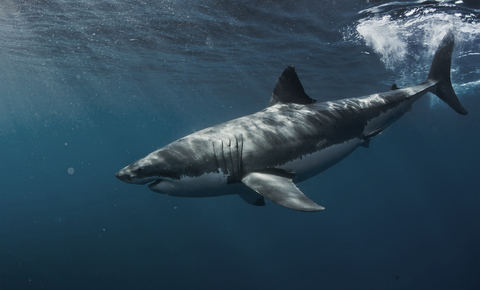
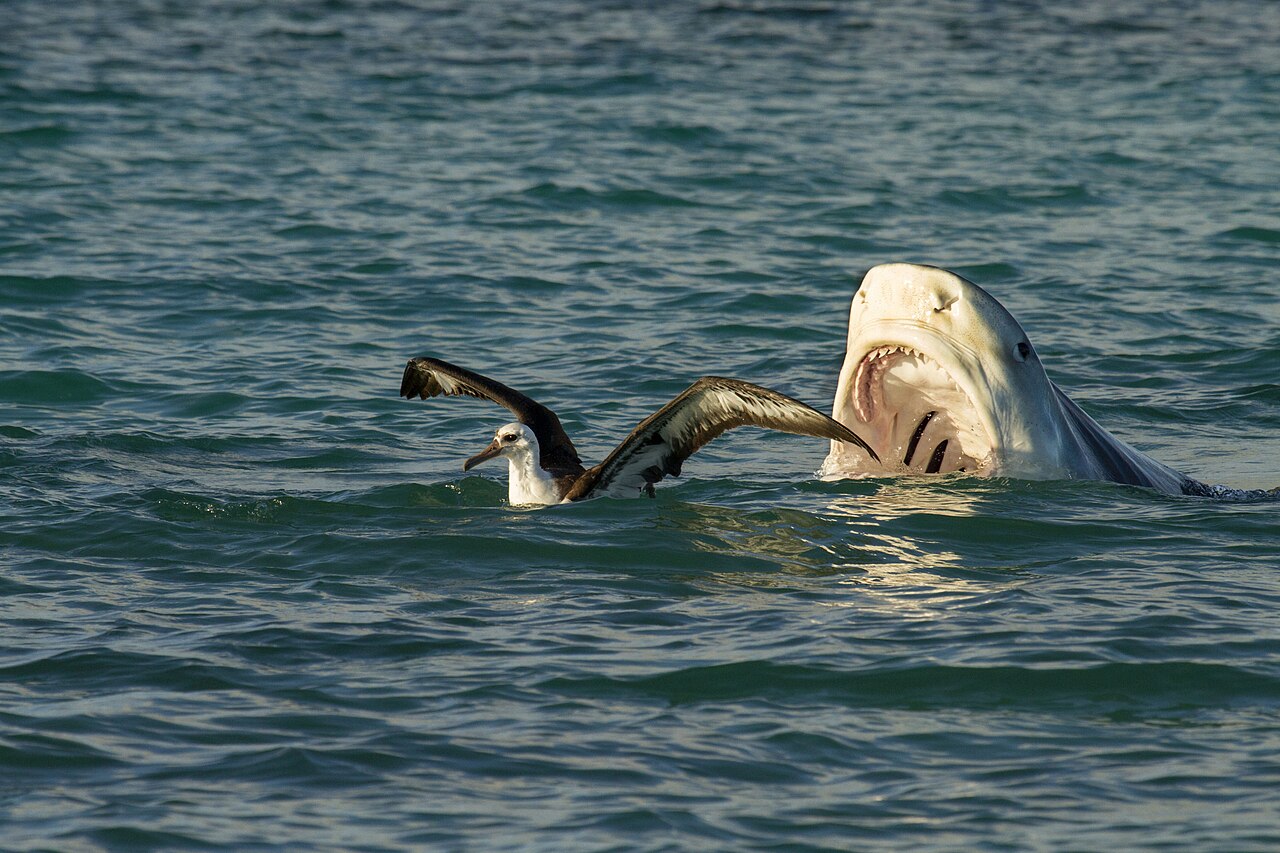
Over the last several years, anglers, divers and coastal residents around the Gulf of Mexico have noticed a clear change in how often sharks are encountered. Species such as blacktips, spinners, sandbars and bull sharks are being seen more frequently than they were decades ago. With that increased abundance has come more interaction with fishermen, fisheries and recreational water users, simply because people and sharks are sharing the same productive waters more often.
At the same time, another conversation needs to take place—one that is related, but distinctly separate. It is the need to conserve large sharks in Gulf waters.
Learn more about great white sharks in the Gulf →
👉 https://gulfgreatwhites.com/great-white-sharks-in-the-gulf-of-mexico-complete-guide/
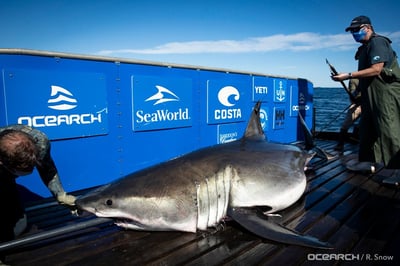
When I talk about large sharks, I am referring to species capable of exceeding 10 feet in length. This includes great white sharks, tigers, shortfin makos, porbeagles and dusky sharks. These animals are not commonly encountered, and they are not the species most anglers or divers see on a regular basis. They represent a very different biological and conservation issue than the more abundant coastal species.
There is no doubt that many shark species today are more abundant than they were in years past. Improved management, finning bans and increased awareness have helped stabilize or rebuild populations that were once heavily pressured. As a result, people are seeing more sharks, especially in areas where fishing effort, bait concentrations and human activity overlap.

That increased visibility naturally leads to more interactions, and it underscores the need for better shark safety awareness. As sharks become more common in certain areas, education on how to safely share the water—with both smaller coastal sharks and occasional large species—becomes increasingly important. This applies not just to anglers, but especially to divers, spearfishermen and swimmers who spend extended time in the water.
Even though encounters with large sharks like great whites remain rare in the Gulf, they do happen. Divers and fishermen need to understand how to behave responsibly during any shark encounter, including maintaining situational awareness, avoiding erratic behavior, and understanding when to calmly exit the water. Increased abundance of some sharks does not mean increased danger, but it does mean preparation and education matter more than ever.
From a conservation standpoint, large sharks deserve special attention because of how they live their lives. These are slow-growing, late-maturing animals that reproduce infrequently. A great white shark may take 25 years or more to reach sexual maturity. Duskys are among the slowest-reproducing sharks in the world, with long gestation periods and years between litters. Even wide-ranging species like tiger sharks rely on long lifespans to maintain stable populations.

Because of that biology, large sharks are inherently vulnerable. The loss of even a small number of mature individuals can have long-lasting impacts on populations. This is especially true in regions like the Gulf of Mexico, where encounters with these species are still uncommon.
That rarity also means every encounter matters.
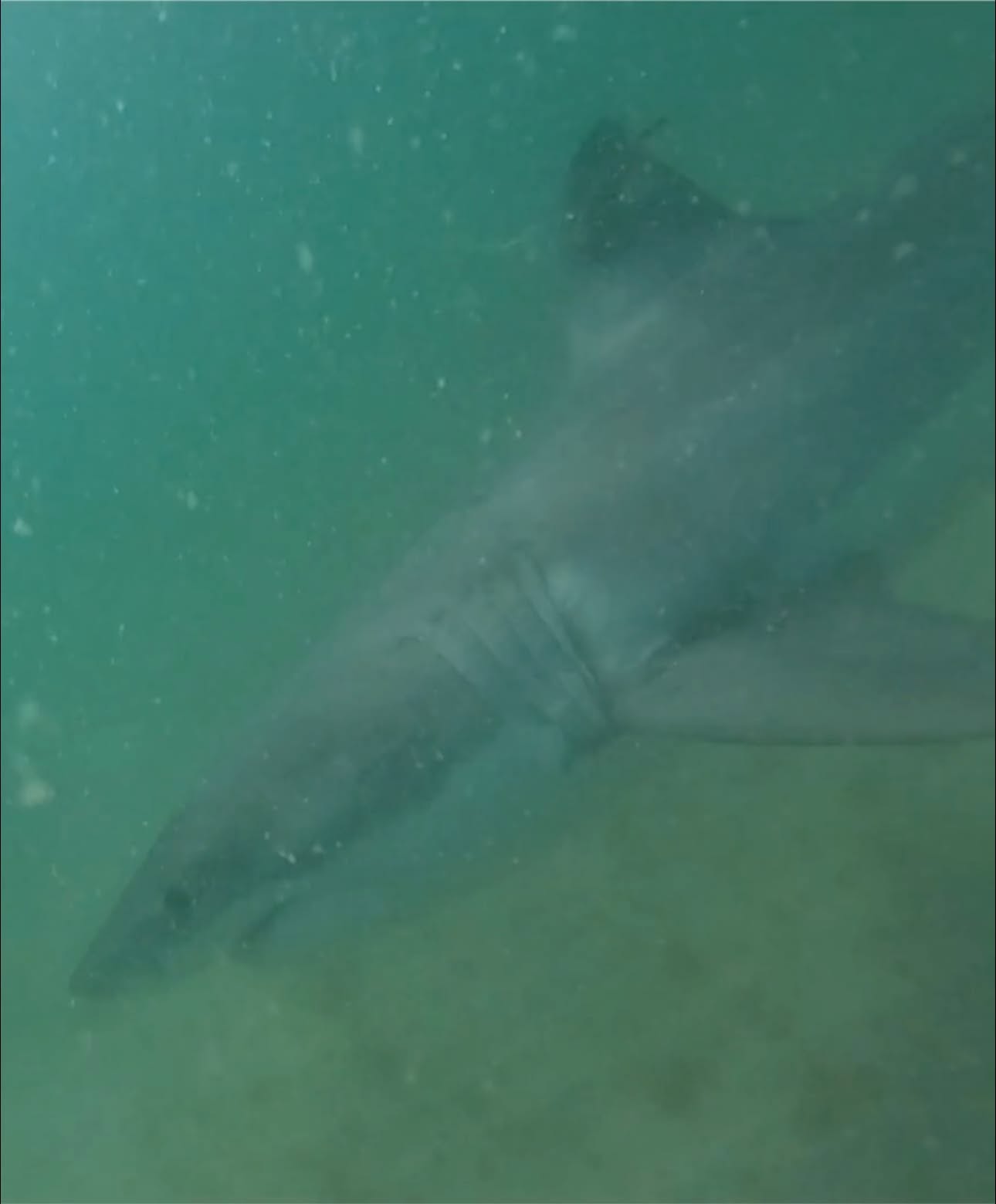
When anglers or fishermen incidentally catch a large shark, particularly species such as great whites or duskys it presents an opportunity to contribute to science. Proper photographs, accurate size estimates, location information and details about how the shark was caught can all provide valuable data to researchers studying these animals.
Too often, people assume the best option is to quietly release the shark and move on. Releasing the animal alive should always be the priority, but when it can be done safely and quickly, documenting the encounter can greatly improve our understanding of large sharks in Gulf waters. Clear photos of the animal’s body, dorsal fin and overall proportions can be especially helpful.
This is particularly important for great whites, which remain rare and poorly understood in the Gulf compared to other regions. Each confirmed sighting or capture adds another piece to a puzzle scientists are still trying to solve.
It is also important to separate the conservation of large sharks from the discussion surrounding more abundant coastal species. Great whites, porbeagles and large makos are not the sharks most often encountered around beaches, passes and fishing piers. They are not driving the increase in nearshore interactions that people are talking about today.
Bull sharks are the one species that overlaps both worlds. They can exceed 10 feet in length and are also commonly encountered in coastal and even freshwater environments. Bulls play a complex ecological role and are closely tied to conversations about both fisheries interactions and safety. Still, they should not be used as a stand-in for the status of all large sharks.
As shark encounters increase overall, there needs to be a parallel emphasis on safety education. This includes teaching divers and anglers how to properly handle hooked sharks, how to recognize and respond to shark behavior, and how to minimize risky situations. Conservation and safety are not opposing goals—they go hand in hand.
The mission statement of the Gulf Great White Shark Society is to raise awareness of great white sharks and other large sharks in Gulf waters. That mission reflects a broader need to understand these animals as both important apex predators and species that require informed stewardship.
Large sharks have existed for millions of years, shaping marine ecosystems long before humans entered the water. Their continued presence in the Gulf of Mexico is a sign of a functioning ocean, but their future depends on education, respect and responsible action.
By promoting shark safety for increasingly common species, documenting rare encounters with large sharks, and recognizing the unique biology of these giants, we can strike a balance that benefits both people and sharks. In a changing Gulf, that balance is more important now than ever.
Chester Moore
Follow Chester Moore and Higher Calling Wildlife® on the following social media platforms
@thechestermoore on Instagram
Higher Calling Wildlife on Facebook
Email Chester at chester@chestermoore.com.
Subscribe to the Dark Outdoors and Higher Calling Wildlife podcasts on all major podcasting platforms.


Leave a Reply