“Jaws” True Story: Real Shark Attacks and What the Movie Got Wrong

Was Jaws based on a true story? The answer involves real shark attacks, misunderstood behavior, and one of the most influential films ever made.
When Jaws was released in 1975, it didn’t just scare audiences — it reshaped how people saw the ocean.
For the first time, a massive shark became part of mainstream fear.
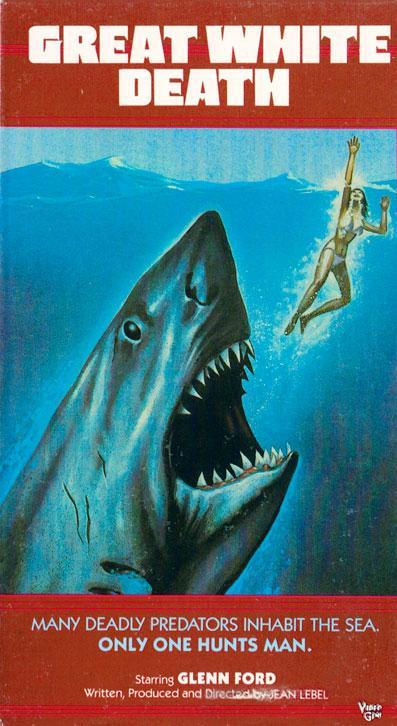
👉 The shark on the Jaws poster wasn’t even a great white.
But one of the most famous details is also one of the least accurate:
It was modeled after a
👉 Shortfin Mako Shark
At the time, accurate reference images of great whites were limited — and that early mistake helped define how millions of people imagined sharks.
A closer breakdown of the anatomy and why this matters can be found here:
👉 Jaws poster shark was actually a mako
https://gulfgreatwhites.com/2025/08/25/jaws-was-really-a-mako-on-the-poster/
Was “Jaws” Based on a True Story?
The novel by Peter Benchley drew inspiration from real events — most notably the 1916 shark attacks along the New Jersey coast.
Those incidents were rare, controversial, and still debated today, but they helped shape the idea of a “rogue shark.”

A deeper look at those events and their influence on Jaws:
👉 The controversial shark attacks that inspired Jaws
https://gulfgreatwhites.com/2025/04/15/the-controversial-shark-attacks-that-inspired-jaws/
Frank Mundus: From Shark Collector to Conservationist
The character Quint was heavily inspired by
👉 Frank Mundus
Mundus was one of the most well-known shark fishermen of his time, operating out of Montauk, New York. He built his reputation catching large sharks — including a massive great white in 1964 — during an era when landing big specimens was a defining part of offshore fishing culture.

Like many of that period, he was known as a shark collector, targeting large individuals and helping bring attention to sharks in a way few others had before.
Over time, as scientific understanding of sharks improved and more information became available about their role in the ecosystem, his perspective evolved.
Later in life, Mundus began supporting:
- Catch-and-release practices
- A more measured approach to harvesting sharks
- Greater recognition of sharks as part of a larger, balanced system
👉 His story reflects a broader shift — not away from fishing, but toward a more informed understanding of sharks and their place in the ocean.
What Kind of Shark Was in “Jaws“?
The shark in the film is portrayed as a
👉 Great White Shark
But what audiences saw on screen wasn’t a real animal — it was a series of mechanical models collectively nicknamed “Bruce.”

The name came from director
👉 Steven Spielberg’s lawyer, and it was used to refer to multiple full-scale mechanical sharks built for the production.
Different versions were constructed for different purposes, including:
- Side-profile shots
- Full-body surface shots
- Partial models for specific angles
These mechanical sharks were advanced for their time, but they were also unreliable — frequently malfunctioning in the water.
That limitation shaped the film itself.
Instead of constantly showing the shark, Jaws relied on:
- Suspense
- Camera angles
- Music
- Suggestion
👉 This approach made the shark feel more real — and more threatening — than if it had been shown clearly the entire time.
Reality vs Film Behavior
What the film shows:
- A large, powerful predator capable of repeated attacks
- Persistent, targeted behavior
What real great whites do:
- Investigate unfamiliar objects
- Deliver quick, often single-bite encounters
- Rarely engage in repeated, deliberate attacks
👉 The shark in Jaws was based on a real species — but its behavior was shaped by storytelling, not biology.

The Oceanographic Institute: Real Science Behind the Story
The film references a fictional “Oceanographic Institute.”
This closely mirrors real institutions like the
👉 Woods Hole Oceanographic Institution
— one of the world’s leading marine research centers.
Did Jaws Hurt Shark Populations — Or Help Save Them?
In the short term, the impact leaned negative.
- Shark fishing increased
- Trophy hunting expanded
- Fear-driven killing rose
Even Steven Spielberg later expressed regret.
But that’s only part of the story.
It Also Inspired a Generation
For many, Jaws sparked fascination — not fear.
One example is
👉 Dr. Greg Skomal
who has credited
👉 Matt Hooper
as an early inspiration.

A closer look at his work:
👉 Chasing Shadows: My Life Tracking the Great White Shark (review)
https://gulfgreatwhites.com/2024/09/16/chasing-shadows-my-life-tracking-the-great-white-shark-by-dr-greg-skomal-review/
From Film to Reality
The realism of Jaws was also shaped by
👉 Ron Taylor and
👉 Valerie Taylor
👉 The secret behind Jaws: the couple who made it real
https://gulfgreatwhites.com/2025/06/12/the-secret-behind-jaws-the-couple-who-made-it-real/

From “Jaws” to the Gulf
For me, Jaws wasn’t just a film — it was the starting point.
Like many people, it was my first exposure to sharks. But instead of walking away with fear, it created curiosity.
That curiosity didn’t stay with the movie.
It was shaped by the work of
👉 Jacques Cousteau,
👉 Ron Taylor, and
👉 Valerie Taylor
Their work showed something very different from Hollywood — sharks as real animals, not monsters.
That shift from watching Jaws to understanding real sharks is what led me to focus on documenting sharks along the Gulf Coast and working within science-based conservation and management.
That progression — from a film to real-world work — is captured here:
👉 Watch the Gulf Great White Shark Society documentary
https://gulfgreatwhites.com/documentary/
Great White Sharks in the Gulf: Perception vs Reality
For decades, the idea of a large shark like the one in Jaws existing in the Gulf of Mexico was often dismissed or overlooked.
That is no longer the case.
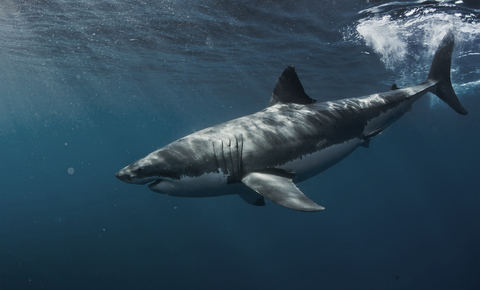
In recent years, documented evidence has shown that
👉 Great White Shark
are not only present in the Gulf — but part of a broader pattern of movement and possible return.
This isn’t speculation. It’s based on:
- Verified sightings
- Tagging data
- Seasonal movement patterns
The Gulf has always been connected to the wider Atlantic ecosystem, and as research has expanded, so has the understanding of where great whites travel.
What This Actually Means
The presence of great whites in the Gulf does not indicate a sudden change or new danger.
Instead, it reflects:
- Increased awareness
- Better tracking technology
- More reporting and documentation
👉 In other words, these sharks were likely always part of the system — we’re just now seeing them more clearly.
Tracking the Return
One of the goals of this work is to document that presence as accurately as possible.
The Gulf Great White Shark Sightings Database compiles:
- Confirmed encounters
- Verified reports
- Ongoing observations
👉 Explore the Gulf Great White Shark Sightings Database
https://gulfgreatwhites.com/gulf-great-white-shark-sightings-database/
A Shift in Understanding
For a long time, sharks like great whites were treated as distant, open-ocean animals far removed from the Gulf.
Now, that understanding is changing.
👉 Not because sharks are suddenly appearing —
👉 but because we’re finally paying attention.