
Late summer along the Texas and Louisiana coast signals one of the most exciting fisheries of the year.
As bull redfish begin staging for their annual spawning run, anglers head to jetties, passes, beaches and nearshore waters in pursuit of some of the biggest reds they’ll encounter all year. The action can be incredible—but there’s another heavyweight that’s impossible to ignore.
Sharks.
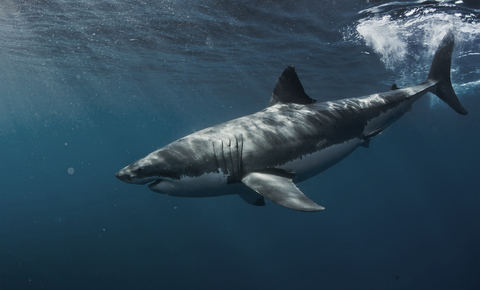
Bull sharks, blacktips, spinner sharks, sandbar sharks, Atlantic sharpnose and several other species frequently crash the party, especially around schools of spawning redfish. Sometimes they intercept hooked reds. Other times they take the bait themselves.

For many anglers, hooking a powerful shark is an unforgettable bonus. But with several shark species protected by regulations and others managed under strict size limits, proper catch-and-release practices have never been more important.
Whether you’re targeting bull reds off the beachfront at High Island, fishing Sabine Pass, working the Galveston jetties or soaking baits around the Louisiana marshes, knowing how to safely release a shark benefits both the fish and the future of the fishery.
Know the Regulations
Before targeting sharks—or fishing in situations where you’re likely to catch them—be familiar with current regulations.
Many shark species have minimum size limits, while others cannot legally be retained at all. Regulations can change, so always check the latest rules before heading out.
Be Prepared Before the Bite
Successful releases begin long before a shark reaches the boat or shoreline. These catch-and-release tips are directly from the Texas Parks & Wildlife Department.
Having the proper equipment ready can dramatically reduce handling time and improve the shark’s chances of survival.
Essential gear includes:
- Sturdy gloves
- Wet towels
- Long-handled pliers
- Hook remover
- Wire cutters
- Bolt cutters
- Camera ready before handling the fish
Preparation allows anglers to quickly document the catch and return it with minimal stress.
Protect Yourself
Even relatively small sharks deserve respect.
Sharp teeth, abrasive skin and powerful tails can cause serious injuries in seconds. Many accidents occur after anglers believe the fight is over.
Always stay clear of the mouth, remain aware of the tail and never become complacent while handling a live shark.
Protect the Shark
Unlike many bony fish, sharks have internal organs supported primarily by connective tissue.
In the water, buoyancy supports these organs naturally. Out of the water, improper handling—especially lifting a shark by its tail—can damage internal tissues and significantly reduce its chances of survival.

Whenever possible:
- Leave the shark in the water.
- If removal is necessary, keep the time out of the water as short as possible.
- Support the shark horizontally.
- Never suspend it by the tail.
- Avoid dragging it across dry sand or rough boat decks.
If you must place the shark on a surface, use a wet towel whenever possible and avoid hot decks or scorching beach sand during the Texas summer.
Keep It Calm
A thrashing shark is dangerous for both the fish and the angler.
Whenever practical:
- Use wet hands or wet gloves before touching the shark.
- If a net is necessary, choose a rubber-mesh landing net rather than abrasive nylon.
- Covering the shark’s eyes with a wet towel or rag often helps calm the animal during hook removal.
- Never place fingers in the eyes or gills.
These simple steps reduce stress and help prevent unnecessary injury.
Removing the Hook
The goal is to remove the hook quickly and safely.
If possible, use pliers to back the hook out the same way it entered.
If removal isn’t easy:
- Cut the hook using bolt cutters and remove the pieces.
- Or cut the leader as close to the hook as possible.
When a shark is deeply hooked, resist the temptation to dig for the hook. Instead, simply cut the leader as close to the hook as practical. Research has shown that many sharks survive with hooks left in place, while prolonged attempts at removal often cause far greater injury.
A Shared Resource
For many Gulf Coast anglers, sharks are no longer viewed simply as bycatch.
They’re an important part of one of the world’s most productive marine ecosystems and an increasingly valued sport fish in their own right. They also play a vital ecological role by helping maintain healthy marine food webs.
As bull redfish season ramps up over the coming weeks, chances are good you’ll encounter at least one shark mixed in with the schools of oversized reds. Taking a few extra moments to prepare for a safe release helps ensure those sharks and the fishery itself remain healthy for future generations.
For additional catch-and-release recommendations and current regulations, visit the Texas Parks and Wildlife Department Catch and Release Tips page:
https://tpwd.texas.gov/regulations/outdoor-annual/fishing/catch-release-tips






Leave a Reply