Introduction
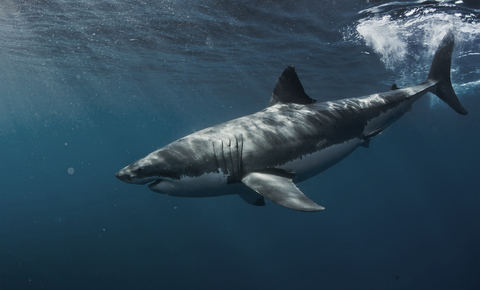
Great white sharks (Carcharodon carcharias) are increasingly being documented in the Gulf of Mexico, including along the northern Gulf Coast from Florida to Texas. Once widely believed to be absent from Gulf waters, a growing number of verified sightings, tracking data, and documented reports now confirm their presence.

Through ongoing field reporting and compiled data on GulfGreatWhites.com, evidence suggests that great white sharks are not only entering the Gulf—but may be doing so more frequently than previously understood.

🔴 Latest Gulf Great White Activity:
See recent sightings and reports →
👉 https://gulfgreatwhites.com/gulf-great-white-shark-sightings-database/
GulfGreatWhites.com maintains one of the only ongoing collections of documented great white shark reports specific to the Gulf of Mexico outside of tagging research
Are There Great White Sharks in the Gulf of Mexico?
Yes—great white sharks do enter the Gulf of Mexico.
Although they are less common than along the Atlantic coast, multiple lines of evidence confirm their presence, including satellite tracking data, verified offshore encounters, and documented reports compiled in the Gulf Great Whites database.
👉 View Our Full-Length Documentary On Great Whites In the Gulf of Mexico
https://gulfgreatwhites.com/documentary/
Many earlier assumptions that great whites do not inhabit the Gulf are now outdated.
Where Are Great White Sharks Seen in the Gulf?
The Florida Gulf Coast—especially the Destin, Panama City, and Pensacola region—should be considered one of the most likely areas for great white shark presence in the Gulf.
This region is significant due to its proximity to the Atlantic migration route, access to deep water close to shore, and strong prey availability. It may serve as a natural entry point for great white sharks moving into Gulf waters.

Offshore Louisiana waters, particularly east of New Orleans and near the Mississippi Delta, have also produced notable reports.
One example can be found here: https://gulfgreatwhites.com/2026/02/12/great-white-shark-spotted-in-gulf-waters-east-of-new-orleans/
The Texas coast represents another area, particularly offshore, where large shark encounters have been reported. Mississippi and Alabama waters may serve as transitional zones between Florida and Louisiana activity.
Research and Tracking Efforts
Modern understanding of great white shark movement in the Gulf of Mexico has been significantly improved through satellite tracking and long-term research efforts.
Organizations such as OCEARCH and Atlantic White Shark Conservancy have played a major role in advancing knowledge of great white shark migration patterns along the U.S. East Coast.
Tracking data from these efforts has shown that some great white sharks travel south along the Atlantic and may enter Gulf waters, supporting the idea that the Gulf of Mexico is part of their broader range.
These research programs continue to provide valuable insight into shark behavior, seasonal movement, and population trends.
Great White Shark Migration and Movement
Great white sharks are highly migratory apex predators found across much of the world’s oceans. They are capable of traveling thousands of miles and often follow seasonal temperature changes and prey movement patterns.
In relation to the Gulf of Mexico, some individuals travel along the U.S. East Coast, move south toward Florida, and then enter Gulf waters. These movements are influenced by environmental conditions, ocean currents, and feeding opportunities.
Your documented reports align with these broader migration behaviors.
We reported on the groundbreaking study that showed great whites are more common in the Gulf than anyone thought. You can read it here.
Great White Sharks Beyond the Gulf (Global Context)
Great white sharks are not limited to the Gulf region. They are found in temperate and coastal waters worldwide, including the U.S. East Coast, California, South Africa, Australia, and parts of the Mediterranean.
They prefer productive ecosystems with strong prey availability and suitable water temperatures. The Gulf of Mexico, particularly in certain seasons, meets many of these conditions.
Understanding their global behavior helps explain their presence in Gulf waters.
Gulf of Mexico vs “Gulf of America”
The body of water commonly referred to as the Gulf of Mexico is occasionally called the “Gulf of America” in informal or political contexts. However, “Gulf of Mexico” remains the official and widely recognized geographic name used in science, mapping, and international references.
For clarity, accuracy, and consistency, this site uses “Gulf of Mexico” when referring to the region.
Why Are Great White Sharks Entering the Gulf?
Emerging research and increased tracking data suggest that the Gulf of Mexico is part of the natural range of great white sharks, rather than an anomaly or rare occurrence.
In recent years, growing evidence indicates that great white shark populations along the Atlantic coast have been increasing. As these populations expand, more individuals are being documented moving into Gulf waters, particularly along the northern Gulf Coast.

This pattern is consistent with broader migration behavior seen globally, where great white sharks expand their range in response to population growth and environmental conditions. Improved tracking technology and increased observation efforts are also contributing to a clearer understanding of their movements.
Additionally, the Gulf of Mexico provides suitable habitat conditions, including productive feeding areas and access to prey species such as large fish and rays. Taken together, these factors support the conclusion that the Gulf is a natural extension of great white shark range, and that their presence may be more common than previously recognized.
Are Great White Sharks Dangerous in the Gulf?
Despite their reputation, great white sharks pose an extremely low risk to humans in the Gulf of Mexico.
Encounters are rare, and most activity appears to occur offshore.. While shark encounters do occur, there have been no documented great white shark attacks in the Gulf of Mexico.
Understanding this helps separate perception from reality. Shark attacks happen but so far there have been no documented great white shark attacks in the Gulf.
What Do Great White Sharks Eat in the Gulf?
Great white sharks are apex predators with a varied diet.

In the Gulf of Mexico, potential prey includes large fish such as tuna and mackerel, rays, smaller sharks, and occasionally marine mammals. Their movement into Gulf waters is closely tied to feeding opportunities.
Read what we wrote about this here-https://gulfgreatwhites.com/2026/03/02/great-whites-caught-on-florida-beaches-what-are-they-eating/
Gulf Great White Shark Database and Reports
One of the most unique resources available is the growing collection of shark reports compiled on GulfGreatWhites.com.
This includes verified sightings, historical encounters, and ongoing field observations. This database provides valuable insight into patterns of great white shark presence in the Gulf.
Learn where great white sharks have been seen in the Gulf of Mexico.
👉 https://gulfgreatwhites.com/gulf-great-white-shark-sightings-database/
Common Myths About Great White Sharks in the Gulf
A number of misconceptions still exist.
The idea that great white sharks do not exist in the Gulf has been disproven by documented sightings and tracking data. There is also no evidence that they live in the Gulf year-round, and most activity appears to occur offshore rather than near beaches. The perception that they represent a major threat to humans is not supported by available data.
Follow Great White Sharks in the Gulf
If you want to stay updated on real great white shark activity in the Gulf of Mexico, you can follow ongoing reports, sightings, and research through GulfGreatWhites.com.
Subscribers receive updates on sightings, new reports, and emerging patterns of shark movement across the Gulf.
You can subscribe here:
https://gulfgreatwhites.com/2025/03/16/get-a-free-gulf-great-whites-decal/
Explore More Gulf Shark Content
You can explore more content and updates here:
🦈 Join the Gulf Great White Shark Society — FREE
Track real great white shark sightings, research, and Gulf activity as it happens.
👉 https://gulfgreatwhites.com/gulf-great-white-shark-sightings-database/
👉 View the Gulf Great White Shark Sightings Database
https://gulfgreatwhites.com/gulf-great-white-shark-sightings-database/