The Gulf of Mexico is full of sharks. That’s not new, and it’s not unusual. It’s a productive, active system that supports everything from small coastal species to some of the largest predators in the ocean.
Most of those sharks go about their lives without ever interacting with people in any meaningful way.
But there are a few species that deserve closer attention when it comes to real-world risk. Not because they’re out looking for trouble, but because of where they live, how they move, and how often they end up in the same water as people.
That’s where the shark danger conversation starts to make more sense.
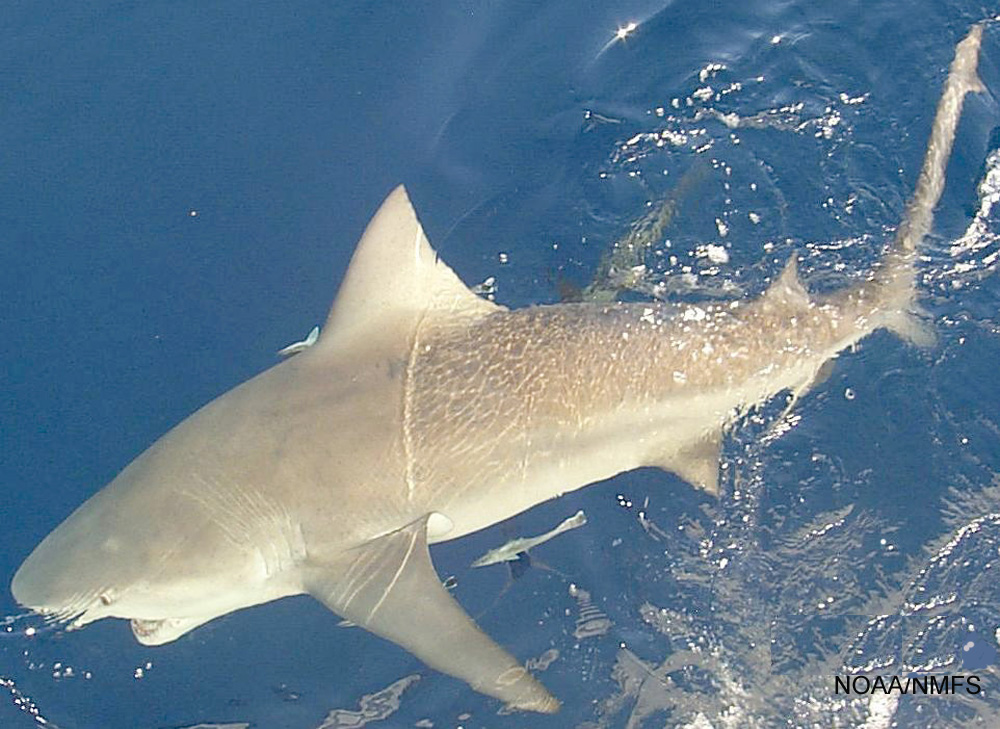
Bull Sharks
If you spend enough time around the Gulf, you hear the same thing over and over—bull sharks.
And there’s a reason for that. They live where people live. Shallow water, bays, passes, even rivers. If there’s a place where people are wading, fishing, or swimming, bull sharks can be there too.

That overlap matters more than anything else.
They are one of the species most often connected to documented incidents worldwide, and in the Gulf they’re probably the shark people are most likely to share water with without realizing it.
At the same time, they don’t deserve all the blame they get.
In some situations, the species involved isn’t confirmed. Smaller coastal sharks can be misidentified, and there are cases where bull sharks take the credit simply because they’re the best-known name attached to shallow water encounters.
That’s something worth understanding, and it’s covered in more detail here:
https://gulfgreatwhites.com/2026/03/21/bull-shark-conspiracy-other-sharks-to-blame-for-attacks/
Blacktip Sharks
If bull sharks define risk from a size and habitat standpoint, blacktips define it from a numbers standpoint.
They’re everywhere.
Certain times of year, you can stand on the beach and watch them moving through the surf in groups, especially when bait is running. Most people in the water during those times have no idea how many sharks are around them.
Blacktips are responsible for a number of minor bites in the Gulf, usually in situations where feeding activity is happening and visibility isn’t great.
These aren’t typically life-threatening incidents, but they are the kind of real-world interaction that happens more often than people think.
It’s not about aggression. It’s about proximity and timing.

Tiger Sharks
Tiger sharks are a different kind of animal.
They’re big, they move a lot, and they’re not tied to one specific zone. They can be offshore one day and closer to shore the next, depending on conditions and food.
Globally, they show up consistently in serious incidents, and they’re fully capable of doing damage.
In the Gulf, they’re part of the system, especially around deeper coastal waters and areas where prey is concentrated. They’re not something most swimmers are going to encounter on a crowded beach, but they are there.
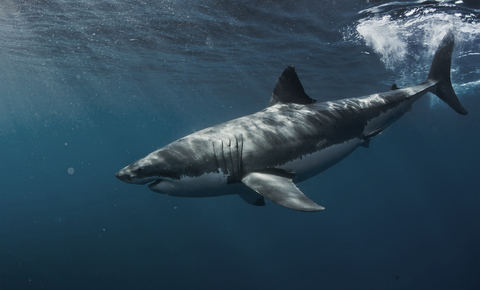
Great White Sharks
Great white sharks get more attention than anything else, but in the Gulf they don’t fit the same pattern people are used to hearing about.
They are here. That’s not really up for debate anymore.
But they’re not a regular presence along the vast majority of beaches.
What we’ve seen through tracking and verified encounters is that great whites tend to move into Gulf waters during the cooler months, especially in winter and early spring. They’re more often tied to offshore areas, deeper water, and specific feeding opportunities.

That puts them in the Gulf, but not usually in the same zone as swimmers.
If you want a deeper look at how and when they show up:
https://gulfgreatwhites.com/great-white-sharks-in-the-gulf-of-mexico-complete-guide/
Hammerheads
Hammerheads, especially great hammerheads, are some of the most impressive sharks in the Gulf.
They’re big, powerful, and when you see one, it sticks with you.

But they’re not commonly tied to incidents involving people. Most encounters happen offshore or with anglers rather than swimmers.
Like tiger sharks, their risk is tied more to capability than to frequent interaction.
Lemon Sharks
Lemon sharks show up in parts of the Gulf, especially toward the southern end where the water stays warmer. They’re one of those sharks that will spend time in places people are—bays, nearshore water, even areas that look pretty calm on the surface.
If you’re paying attention, you’ll see them.
They’re not a species that comes up often in discussions about incidents, and there’s a reason for that. Compared to bull sharks or tiger sharks, they’re not showing up in those situations with any regularity.

That doesn’t mean they’re small or harmless. They’re solid, capable sharks.
It just means they’re not wired the same way when it comes to how they interact with people.
Seeing one in shallow water can get your attention, but most of the time they’re moving through and not focused on anything above them.
They’re a good reminder that not every big shark in shallow water is a problem.
What Actually Makes a Shark Dangerous
The idea of a “dangerous shark” gets oversimplified.
It’s not just about size, and it’s not about reputation.
It comes down to three things: where a shark spends its time, how it feeds, and how often it overlaps with people.
In the Gulf, the sharks that show up in shallow, active water—bull sharks and blacktips especially—are the ones that matter most in terms of real-world interaction.
That doesn’t make them villains.
It just puts them in the same place as people.
Risk and Reality
Sharks are capable of doing damage. That’s part of the equation, and it shouldn’t be ignored.
When something does happen, it can be serious, and sometimes life-changing.
But those situations are rare when you look at how many people are in the water across the Gulf every year.
Other risks—rip currents, boating accidents, even bacterial infections in warm water—cause more problems on a regular basis.
That doesn’t cancel out shark risk.
It just puts it where it belongs.
If you want a deeper look at overall risk and how it compares:
https://gulfgreatwhites.com/are-sharks-dangerous-in-the-gulf-of-mexico/
How to Reduce Your Risk
There are things people can do that make a difference.
Avoid the water at dawn and dusk when sharks are more active. Pay attention to baitfish and diving birds, because those are signs something is feeding below the surface.

Stay clear of fishing activity, especially where fish are being landed or discarded. Be cautious in murky water where visibility is limited.
Most of this comes down to awareness. You don’t have to avoid the water. You just have to understand it.
The Bigger Picture
The Gulf of Mexico isn’t defined by dangerous sharks.
It’s defined by a system that supports them.
From small coastal species to large offshore predators, sharks are part of what makes the Gulf what it is.
If you want to see how those species fit together:
https://gulfgreatwhites.com/large-sharks-of-the-gulf-of-mexico-biggest-species-guide/
And if you want to follow where sharks are actually being seen and documented:
https://gulfgreatwhites.com/gulf-great-white-shark-sightings-database/
Final Thought
The longer you spend watching sharks in the Gulf, the more predictable they become.
They’re not random. They’re not out of control. They’re part of a system that works the same way it always has.
The key isn’t fear, and it’s not ignoring the risk. It’s understanding where you are and what else is there with you.
Chester Moore
Follow Chester Moore and Higher Calling Wildlife® on the following social media platforms
@gulfgreatwhitesharksociety on Instagram
@thechestermoore on Instagram
Higher Calling Wildlife on Facebook
Email Chester at chester@chestermoore.com.
Subscribe to the Dark Outdoors podcast on all major podcasting platforms.




Leave a Reply