Are sharks dangerous in the Gulf of Mexico?
It’s a question that comes up every year as water temperatures rise, beaches fill up, and reports of shark sightings begin circulating. The honest answer is yes—sharks can be dangerous. But understanding the real level of risk requires stepping away from headlines and looking at what’s actually happening in the water.
What the Data Says
The most reliable long-term record of shark-related incidents comes from the International Shark Attack File, which has tracked cases for decades. In the Gulf of Mexico, the number of unprovoked incidents each year remains relatively low, especially when compared to the number of people in the water across Texas, Louisiana, Mississippi, Alabama, and Florida.

That doesn’t mean incidents don’t happen. They do. And when they do, the consequences can be serious.
But when you look at the scale of human activity in these waters, those incidents remain uncommon.
Which Sharks Are Actually Involved
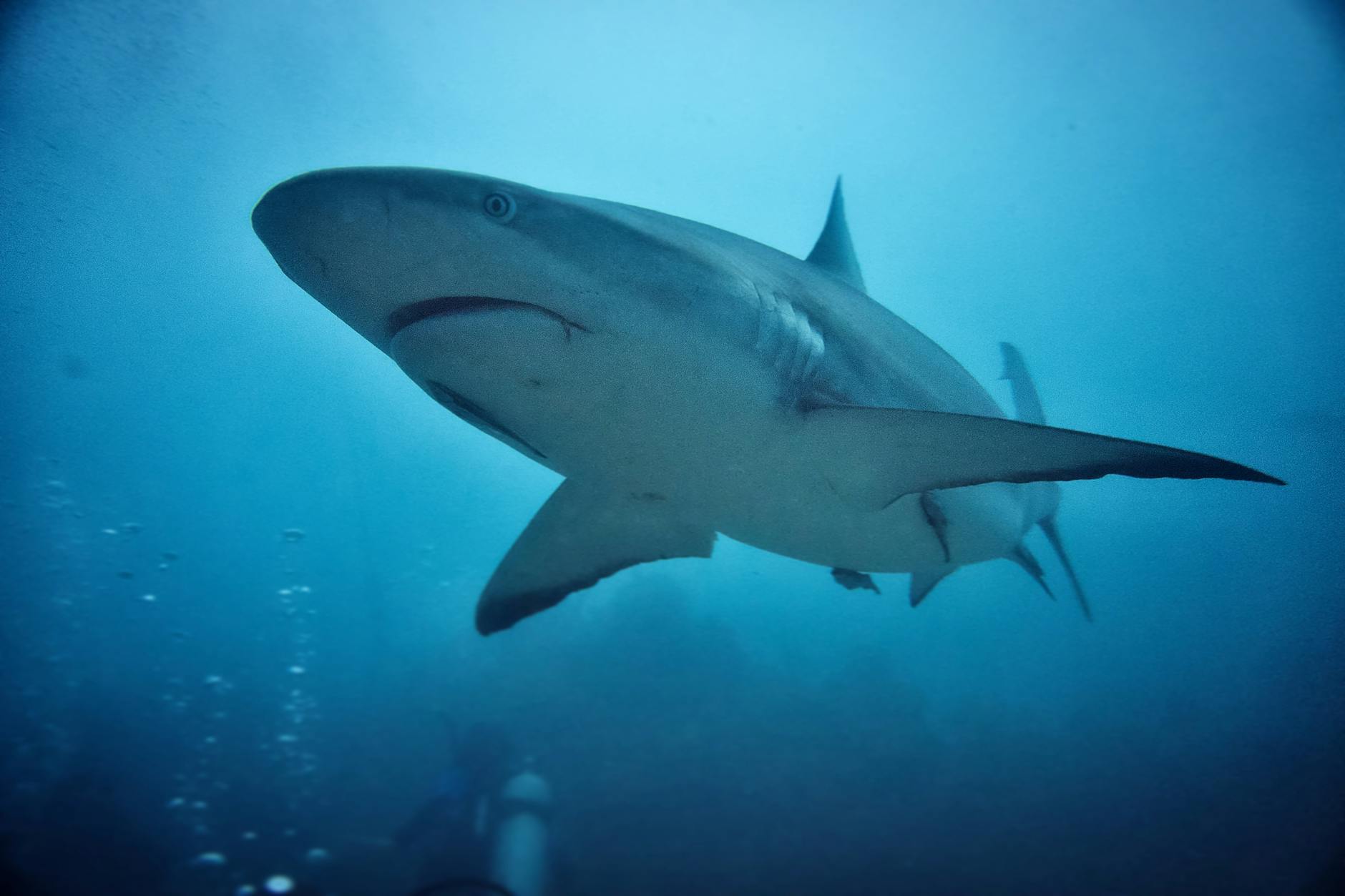
When people think about shark incidents, bull sharks usually get the blame. And in many cases, that makes sense. Bull sharks are built for shallow water, they move into bays and estuaries, and they are one of the species most often involved in documented incidents worldwide.

At the same time, they are not the only sharks interacting with people in the surf zone. Blacktip sharks are extremely common along Gulf beaches, often moving close to shore in large numbers while following bait. They are responsible for a number of minor bites, particularly in situations where visibility is low and feeding activity is high.
There is also the issue of identification. In some cases, it is not entirely clear which species was involved. Smaller coastal sharks can be misidentified, and there are situations where bull sharks may take the blame simply because they are the most recognized species associated with shallow water. That dynamic is explored in more detail here:
https://gulfgreatwhites.com/2026/03/21/bull-shark-conspiracy-other-sharks-to-blame-for-attacks/
What About Great White Sharks
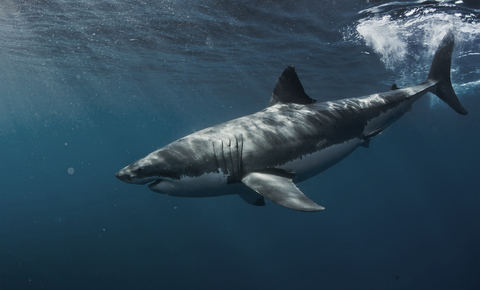
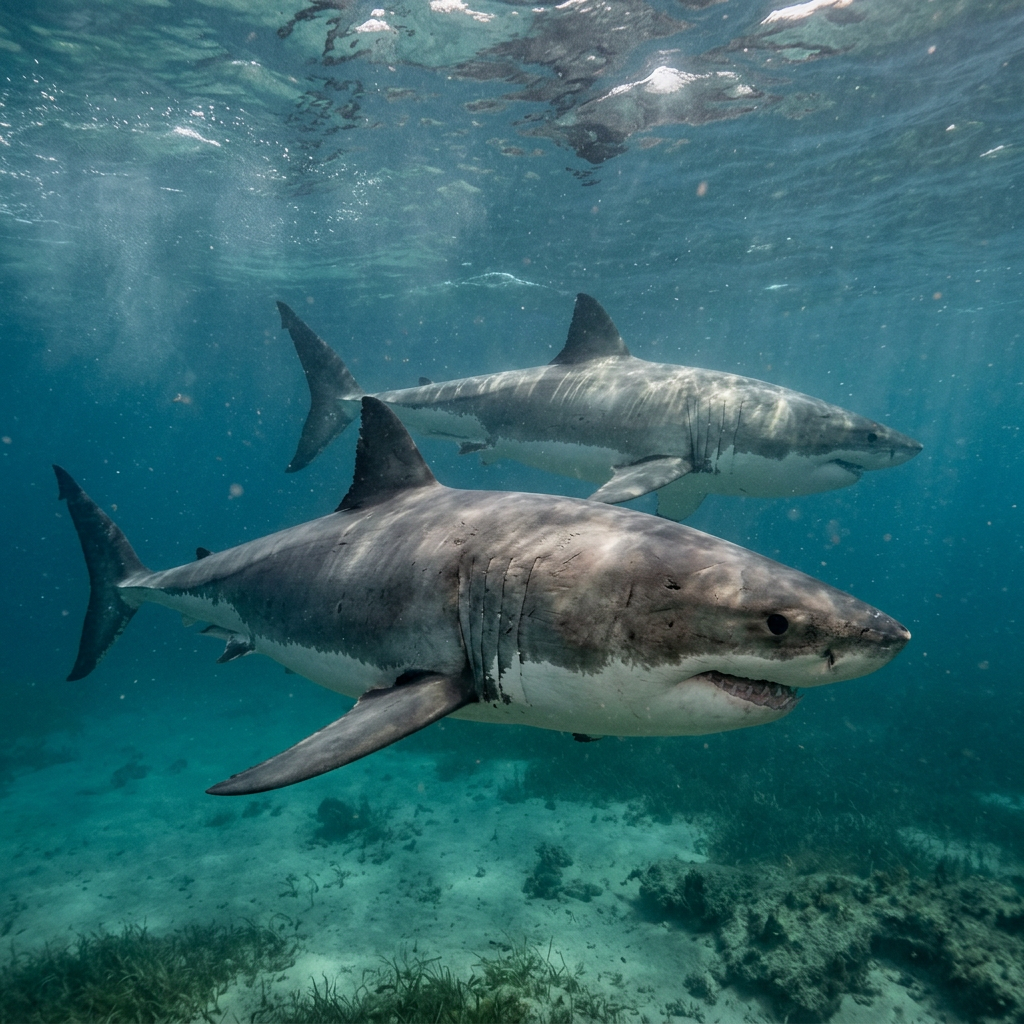
Great white sharks are part of the Gulf of Mexico, but they are not a common presence along beaches. Tracking data and documented encounters show that great whites tend to move into Gulf waters primarily during cooler months, often in winter and early spring.

They are typically associated with offshore areas, deeper water, and specific feeding opportunities rather than the shallow surf zones where most people are swimming. That does not mean they are absent—it means they are present in a different way than the species people are more likely to encounter close to shore.
For a deeper look at their movement patterns and documented presence:
https://gulfgreatwhites.com/great-white-sharks-in-the-gulf-of-mexico-complete-guide/
Why Most Encounters Don’t Turn Serious
Most shark encounters never become incidents because sharks are not actively hunting people. When bites do occur, they are often tied to conditions where visibility is reduced, prey is concentrated, and activity levels are high.
In the Gulf, that can mean murky water, schools of baitfish, or fishing activity near swimmers. Those factors matter more than the presence of sharks alone.
At the same time, it’s important not to dismiss what does happen. Shark bites are rare, but when they occur, they can be severe and life-changing. That reality deserves to be taken seriously.
Putting Risk in Perspective
There is a tendency to either overstate or dismiss shark risk, and neither approach is accurate. Sharks are large, capable predators, and when something does happen, it can be serious.
However, compared to other risks in Gulf waters, shark incidents remain relatively uncommon. Rip currents are responsible for far more rescues and fatalities each year. Bacterial infections in warm coastal waters are a documented concern, and boating accidents and drownings occur more frequently as well.
This does not make sharks irrelevant. It places them in context while still respecting the seriousness of an encounter when it does occur.
How to Reduce Your Risk
There are practical steps people can take to lower the chances of a negative encounter.
Avoid swimming at dawn or dusk when sharks are more actively feeding. Stay out of the water when baitfish are present or when birds are diving, which often signals feeding activity below the surface.

Avoid swimming near people who are actively fishing, and be cautious in murky water where visibility is limited.
Swimming in groups rather than alone can also reduce risk, and paying attention to local conditions and advisories goes a long way.
None of these measures eliminate risk entirely, but they do help reduce it.
Why It Feels Like There Are More Sharks Now
There is a growing perception that sharks are becoming more common in the Gulf. In some cases, that may reflect real changes, as certain shark populations have shown signs of recovery after years of decline, particularly in the Atlantic.
At the same time, there is far more documentation than there used to be. More anglers, more time on the water, more cameras, and faster information sharing all contribute to a higher number of reported sightings. The sharks are not necessarily new—our awareness of them is.
If you want to follow that in real time:
https://gulfgreatwhites.com/gulf-great-white-shark-sightings-database/
A Gulf Reality
The Gulf of Mexico is not lacking sharks. It is a diverse and active marine system that supports everything from small coastal species to large offshore predators. That includes bull sharks, blacktips, hammerheads, tiger sharks, and great whites moving through deeper waters.
A full breakdown of larger species can be found here:
https://gulfgreatwhites.com/large-sharks-of-the-gulf-of-mexico-biggest-species-guide/
So Are Sharks Dangerous
Yes—but not in the way most people think. They are not targeting swimmers, and they are not lining the beaches. They are part of a natural system that people enter every time they step into the Gulf.
Understanding that system, along with the conditions that increase risk, is far more useful than reacting to headlines.
Final Thought
The longer you spend paying attention to sharks in the Gulf, the clearer the picture becomes. They are present, they are capable, and when something goes wrong, the consequences can be serious.
But they are also predictable in ways that matter.
And once you understand that, the question is not just whether sharks are dangerous—it is how to share the water with them more intelligently.
Chester Moore
Follow Chester Moore and Higher Calling Wildlife® on the following social media platforms
@gulfgreatwhitesharksociety on Instagram
@thechestermoore on Instagram
Higher Calling Wildlife on Facebook
Email Chester at chester@chestermoore.com.
Subscribe to the Dark Outdoors podcast on all major podcasting platforms.


Leave a Reply