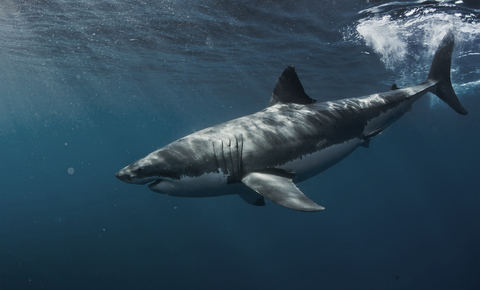

When Jaws exploded onto screens in 1975, it didn’t just change cinema — it unleashed a tidal wave of aquatic terror flicks trying to cash in on the public’s newfound fear of the sea. Three standouts in the post-Jaws feeding frenzy were Orca (1977), Tentacles (1977), and Great White (1981). Each tried to capture the suspense of Spielberg’s masterpiece, but their unique approaches, behind-the-scenes stories, and marketing gimmicks make them fascinating time capsules of exploitation-era filmmaking.
A few months back we covered three really obscure ones. You can read that here. Now let’s go with some that had a bigger impact-albeit not always good.
ORCA (1977): The Killer Whale With a Vengeance
Directed by Michael Anderson and produced by Dino De Laurentiis, Orca took a Shakespearean route, pitching a story about a grief-stricken killer whale seeking revenge after its pregnant mate is killed by humans. If that sounds emotionally manipulative… it was. The film tried to elevate itself above the usual monster flick, with Richard Harris as a guilt-ridden fisherman and Charlotte Rampling offering scientific exposition with gravitas.
Fun Fact: Real whale footage was used, but a life-size animatronic orca was also built — so convincing, in fact, that environmentalists mistook it for a real, abused animal during filming.
Poster Power: The Orca artwork took notes from Jaws, featuring the killer whale leaping from the depths, jaws agape. But unlike the clean minimalism of Jaws, this poster felt like a full-blown oil painting of marine mayhem, hinting at De Laurentiis’s ambition to outdo Spielberg in drama and scale. Spoiler: he didn’t.
TENTACLES (1977): When an Octopus Gets Hangry
Italian director Ovidio G. Assonitis (working under the Americanized name “Oliver Hellman”) delivered this B-grade delight about a giant octopus attacking seaside towns. Tentacles had the audacity to blend Jaws panic with The Poseidon Adventure-style disaster elements — and somehow landed a cast that included Shelley Winters, John Huston, and Henry Fonda (yes, really).

Behind the Scenes Madness: The octopus “monster” was a rubber puppet, often filmed with heavy zoom and murky water to hide its… lack of realism. The climax involves killer whales saving the day — a fact that ties it loosely (and hilariously) to Orca.
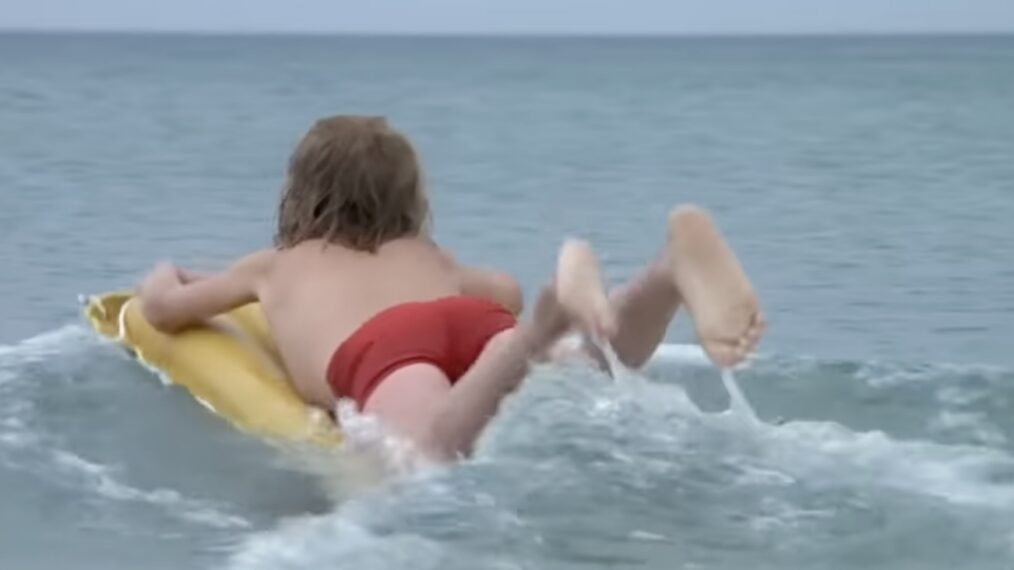
Poster Drama: The U.S. poster shows a giant tentacle dragging a swimmer underwater — a blatant echo of Jaws‘s iconic image. But European posters leaned even more into the absurd, with surrealist artwork that made the film look like Lovecraft had written a beach thriller.
GREAT WHITE (1981): The Lawsuit That Sank a Shark
This Italian-American production, directed by Enzo G. Castellari, was the most shameless Jaws clone of the bunch — so much so that Universal sued and got it pulled from U.S. theaters just days after release. Known in Italy as L’ultimo squalo (“The Last Shark”), it stars James Franciscus and Vic Morrow, and mimics Jaws beat for beat: beach attacks, a mayor in denial, a grizzled shark hunter, etc.
Behind-the-Fins Fact: The shark was a poorly constructed prop with awkward movement, earning mockery even at the time. The film’s special effects were… enthusiastic, but not convincing. Its popularity in drive-ins was short-lived thanks to that Universal lawsuit.
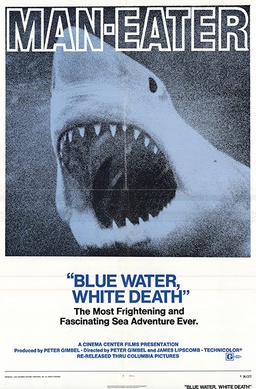
Crazy Poster: The poster tried to be iconic, but what it did was take what in my opinion is an exact copy of a Ron and Valerie Taylor (early shark photo pioneers) shot and ghost it beneath the surface about to swallow someone.

So Bad They’re Great?
While these films couldn’t hold a candle to Spielberg’s tension, they each left an imprint on creature-feature history. Orca dared to be tragic. Tentacles reveled in kitsch. Great White flew so close to the Jaws sun it melted.
Do you have any memories of these?
I remember seeing Orca as a kid and being mortified when the baby whale comes out of the mom’s belly.
I’m glad we’ve come a long way with how we portray ocean wildlife (for the most part) but must admit to enjoying a good scare in the setting of the sea.
Chester Moore
Follow Chester Moore and Higher Calling Wildlife® on the following social media platforms
To support the efforts of Higher Calling Wildlife® click here.
Subscribe to the Dark Outdoors podcast on all major podcasting platforms.
Higher Calling Wildlife on Facebook
Email Chester at chester@chestermoore.com.


Leave a Reply