Spend enough time on the Gulf and one thing becomes clear pretty quickly. There’s a lot more going on beneath the surface than most people realize. People tend to think in extremes. Either there are no sharks, or it’s full of monsters. The reality is somewhere in between.
The Gulf of Mexico supports a wide range of shark species, from small coastal sharks you could easily miss to some of the largest predators in the ocean. And depending on where you are whether its Texas, Alabama or the Florida Panhandle you’re going to see a slightly different mix.
What’s changed over the past several years isn’t the sharks themselves. It’s our ability to track them, document encounters, and start connecting the dots.
If you want to see that in real time, the Gulf Great White Shark Sightings Database lays it out pretty clearly.
The Sharks Most People Actually Encounter
If you’re fishing, surfing, or just spending time in the water, these are the sharks you’re most likely around even if you don’t realize it.
Blacktips are probably the most visible. They show up along beaches, especially when bait is running, and they’re known for those spinning jumps that get people’s attention. Spinner sharks get mixed in with them a lot. Similar build, same kind of energy, and just as likely to be moving through nearshore water when conditions line up.
Then you’ve got Atlantic sharpnose sharks. These are smaller, usually just a few feet long, but they’re one of the most common species in the Gulf. Anglers catch them all the time, especially around piers and nearshore structure. They are often called “sand sharks” because of their abundance around beaches.

Bonnetheads are often called “baby hammerheads” but they are actually a unique species. They top out at around four feet in length.
None of these are what people usually picture when they think “shark,” but they make up a big part of what’s actually out there.
The Larger Coastal Sharks
Step up a level and you start getting into sharks that people are more aware of.
Bull sharks are a big one. They’re built for shallow water, they’ll move into bays and rivers, and they’re one of the species most often involved in incidents worldwide. If there’s a shark people are sharing the water with regularly along the Gulf coast, it’s probably a bull shark.

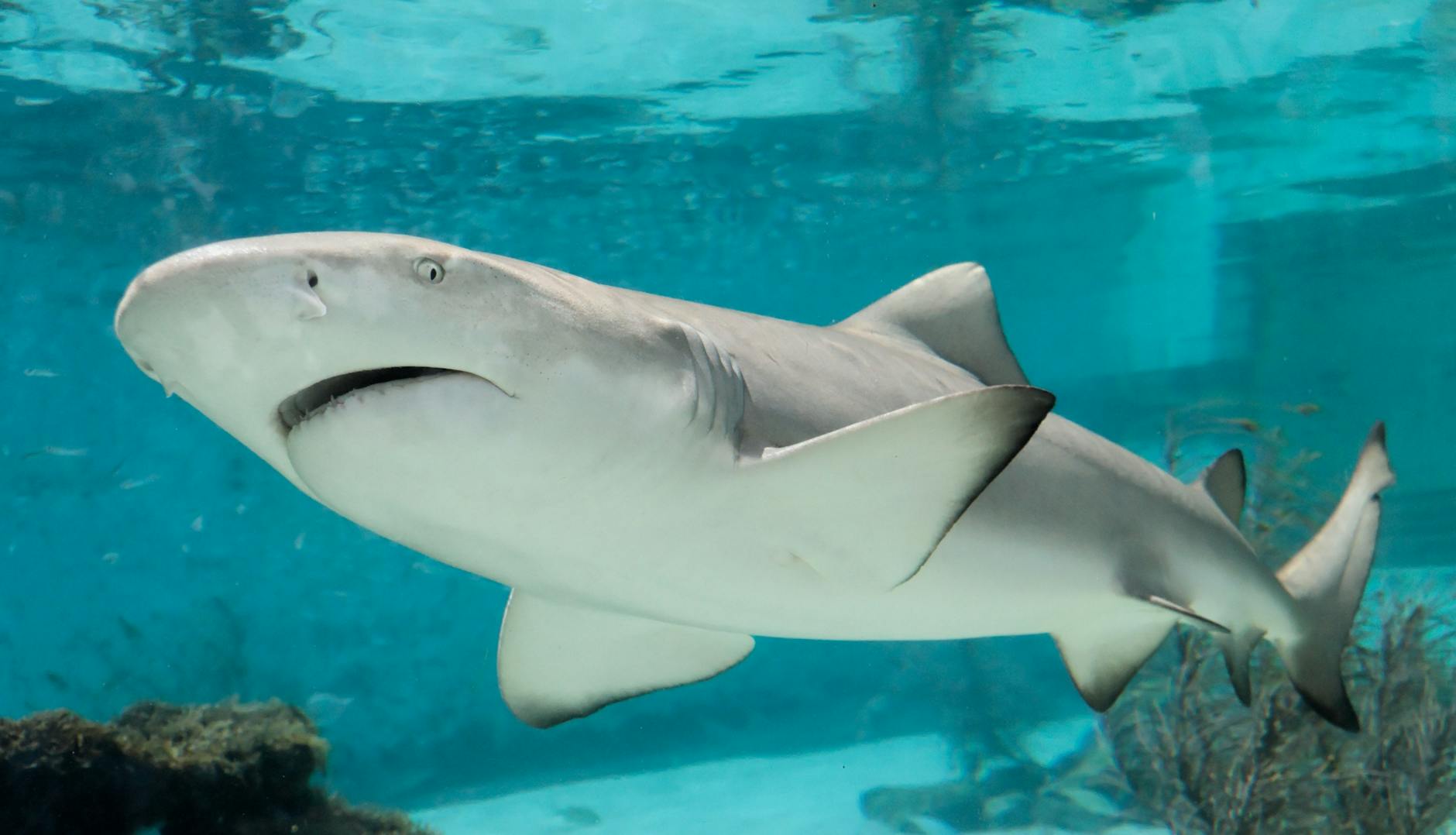
Lemon sharks show up more in the southern part of the Gulf, but they’re part of the mix as well, especially in warmer, shallow areas.
Lemon sharks are a species that sort of slips through the cracks of public awareness but they are one of the largest sharks that move close to shore frequently.
The Apex Predators
Then you get into the sharks that sit at the top.
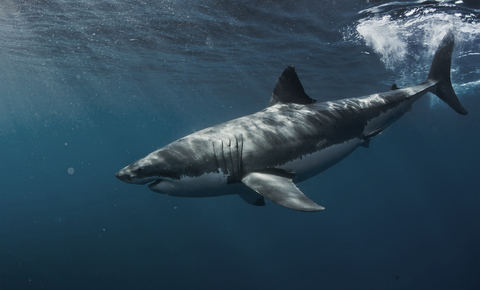
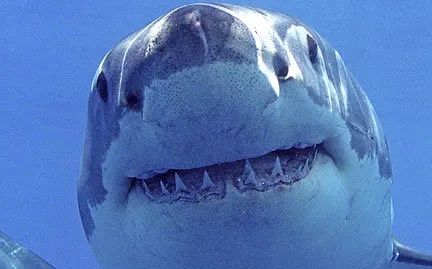
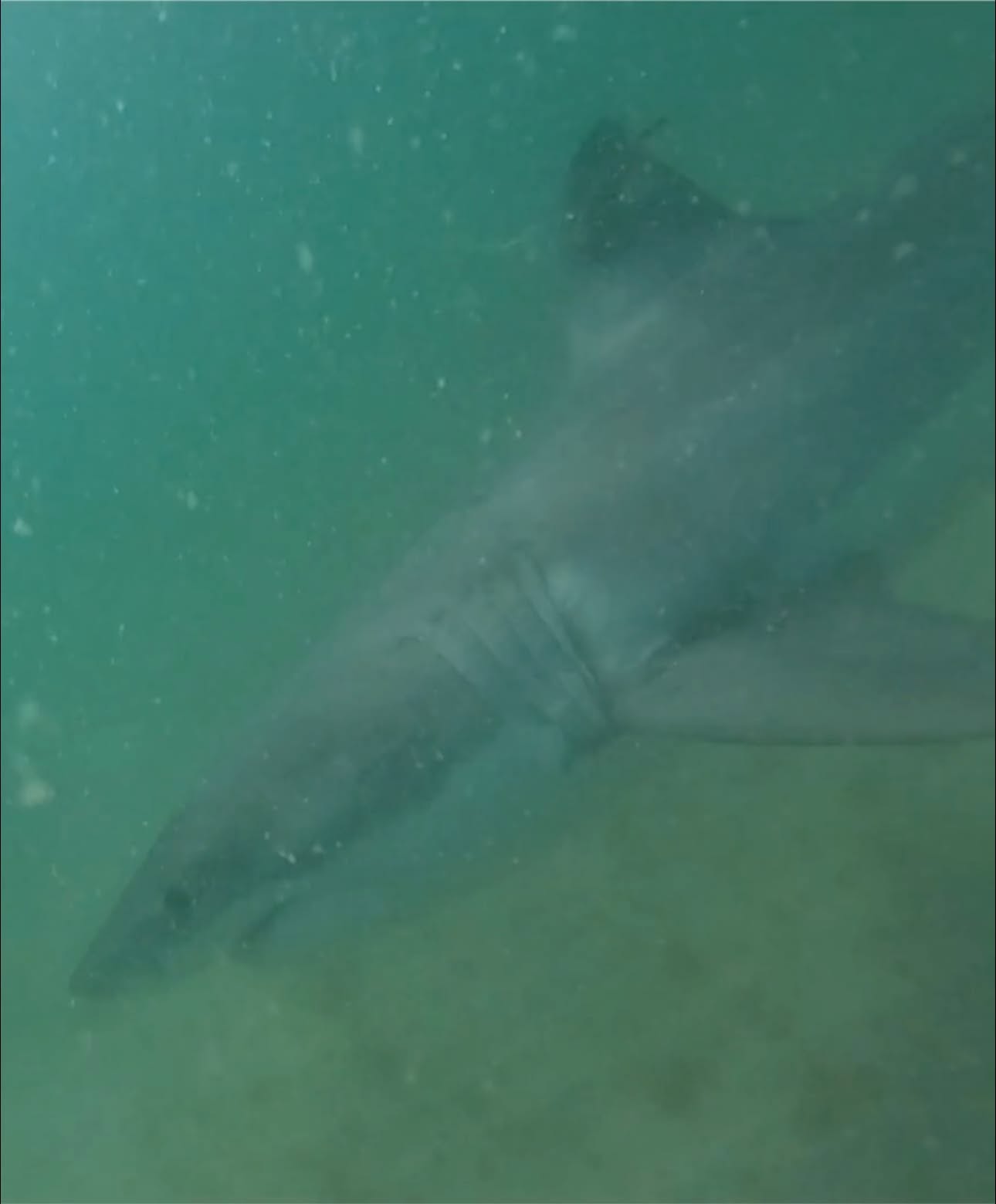
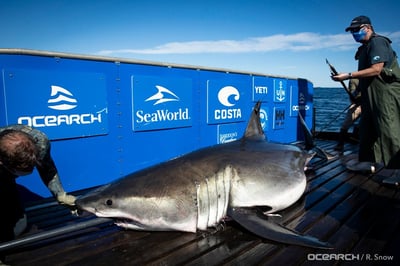
Great white sharks belong in this conversation now. For a long time, people debated whether they were really in the Gulf. That’s not really a question anymore. Between tracking data, documented encounters, and verified reports, we know they move into Gulf waters, especially during cooler months.

If you want a full breakdown of that, it’s covered in your Great White Sharks in the Gulf of Mexico guide.
Tiger sharks are another major player. Big, wide-ranging, and not tied to one specific type of habitat. They move between offshore and coastal waters depending on conditions and food.
Hammerheads—especially great hammerheads—are some of the most impressive sharks in the Gulf. They’re powerful, they’re specialized, and when they show up, they’re usually there for a reason.
For example, they are known to follow tarpon activity in Florida waters.
There are others in that upper tier too like dusky sharks, makos, species that spend more time offshore but are absolutely part of the Gulf system.
If you want to see all of those broken down in one place, your Large Sharks of the Gulf of Mexico page lays it out.
What You Don’t See
One of the most overlooked parts of the Gulf is what’s happening in deeper water.
There are sharks out there most people will never see.
The bluntnose sixgill shark is a good example. This is a deepwater species that can reach well over 10 feet, and it lives far below the depths most people ever experience. When one shows up, usually from deepwater fishing, it’s a reminder of how much of the Gulf is still out of sight.
That’s part of what makes this region so interesting. There’s a whole layer of it that doesn’t get talked about much.
The Biggest Shark of All
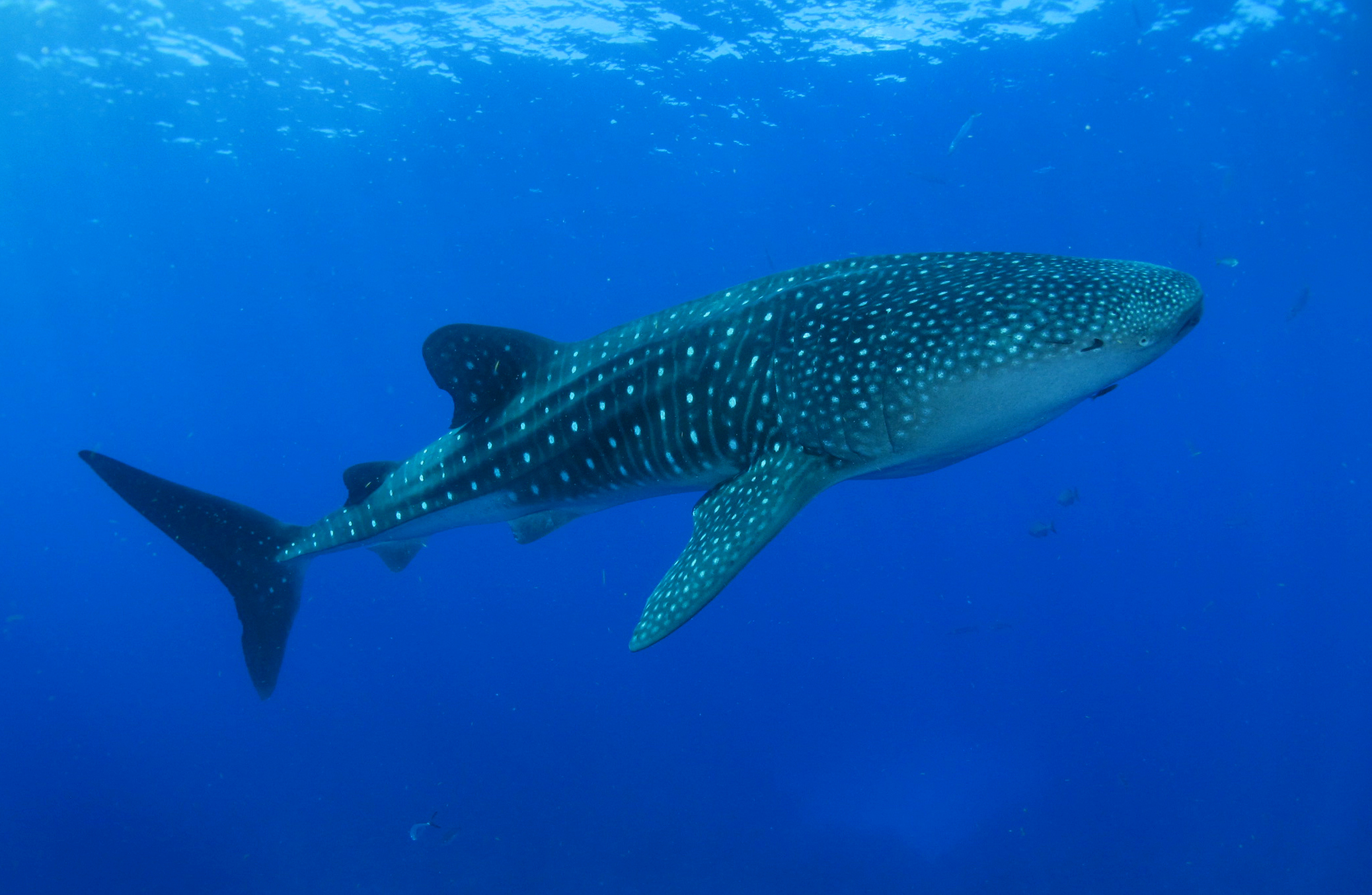
Then there’s the whale shark.
It’s the largest fish in the ocean and it shows up in the Gulf regularly, especially offshore.
But it’s not a predator in the way the others are. Whale sharks are filter feeders, moving through the water taking in plankton and small organisms.

It’s a completely different role in the ecosystem but it says a lot about how productive Gulf waters are.
Where You’re More Likely to See A Large Shark
Not every part of the Gulf is the same.
One of the reasons areas along the Florida Panhandle—Pensacola, Destin, Panama City or parts of Padre Island in Texas, get more attention is because offshore conditions are closer to land than in other areas of the Gulf. Both of these areas have had great white shark activity as well as occasoinal makos.
That allows larger sharks to move into areas that are still relatively close to shore, especially around passes, drop-offs, and bait concentrations.
But large sharks, especially bulls, can show up anywhere on the coast. They are present throughout the entire ecosystem.
So What Does All This Mean?
The Gulf of Mexico isn’t short on sharks.
It’s a diverse, active system that supports everything from small coastal species to some of the largest predators in the ocean.
If you want to follow that in real time, the Gulf Great White Shark Sightings Database is a good place to start.
Chester Moore
Follow Chester Moore and Higher Calling Wildlife® on the following social media platforms
@gulfgreatwhitesharksociety on Instagram
@thechestermoore on Instagram
Higher Calling Wildlife on Facebook
Email Chester at chester@chestermoore.com.
Subscribe to the Dark Outdoors podcast on all major podcasting platforms.



Leave a Reply