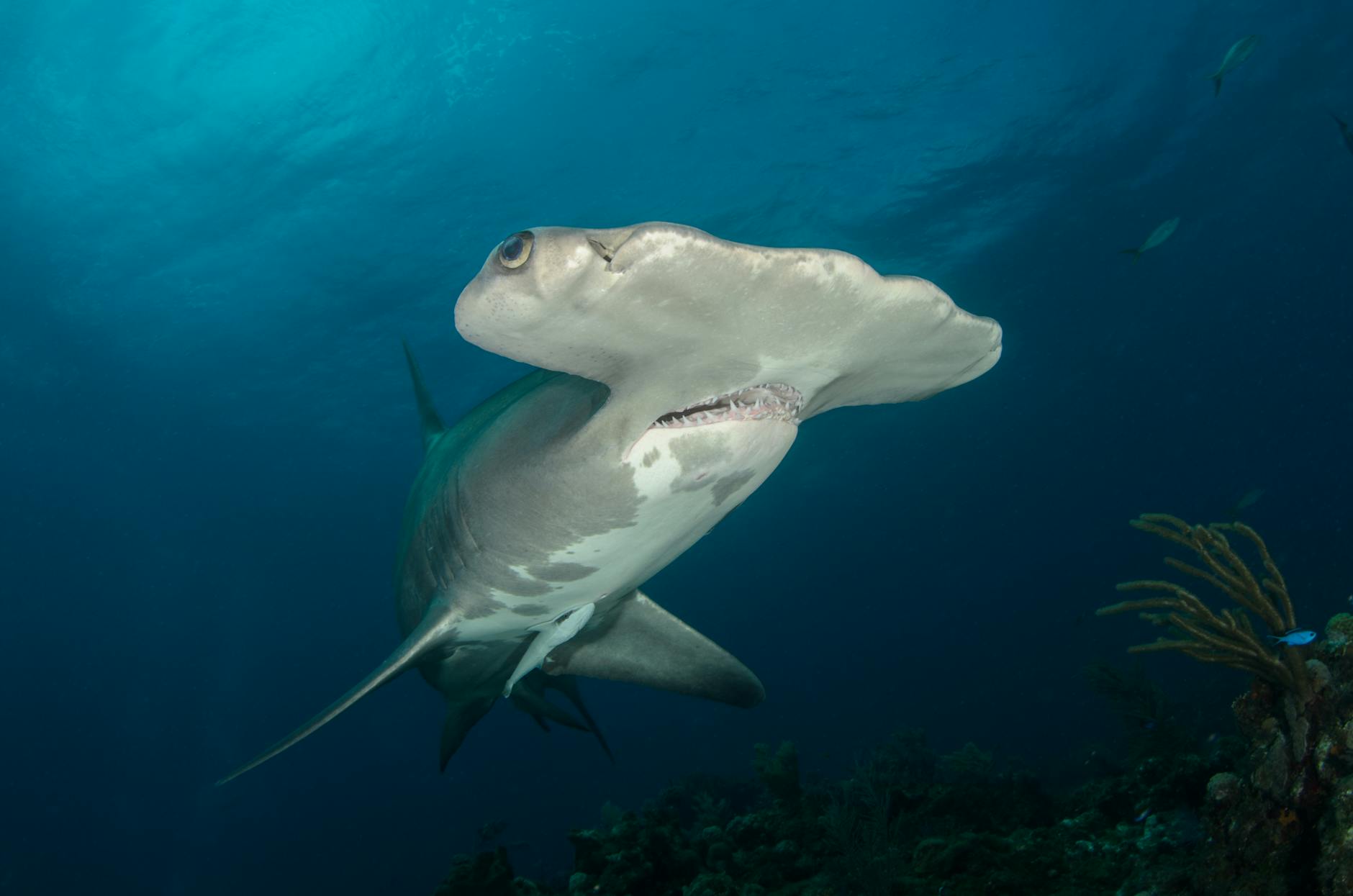
A great hammerhead shark washed ashore in South Florida recently with its fins cut off. It was the second dead, finless hammerhead found in the area in the last month.
The animal was found along Juno Beach, and based on reports, the condition of the shark immediately raised questions about what happened before it reached shore. A reward has since been offered for information as authorities work to determine who was responsible.
Cases like this get attention quickly, and they should. A large shark turning up in that condition is not something people expect to see along a public beach.
At the same time, it opens up a broader issue that is often misunderstood which is how shark fin-related activity intersects with U.S. waters and enforcement.

Shark finning, as it’s commonly known, refers to removing fins from a shark, often for use in international markets. In U.S. waters, that practice (removing fins at sea and discarding the body) is illegal under federal law.
But regulation does not eliminate illegal activity entirely.
This case could be an example of an organized finning operation or of individuals finning for their own motives.
There have been documented enforcement cases in the United States involving the possession and sale of shark fins and related products.
In my home state of Texas, for example, game wardens filed multiple Class B misdemeanor charges against restaurants and markets in the Houston and Dallas areas following an investigation into the sale of shark fins and fin products. The case involved search warrants, seizures, and evidence tied to protected species.
In a separate investigation in the Houston and Seabrook area, authorities documented the sale of approximately 30,000 pounds of shark carcasses and seized several hundred pounds during the case. Charges included possession of sharks without fins and unlawful commercial activity involving aquatic products.

Officials with Texas Parks and Wildlife have stated that protecting shark species in the Gulf of Mexico, along with addressing illegal trade, remains a priority.
That context matters when a shark like this shows up on a Florida beach.
It does not mean incidents like this are common. But it does show that illegal activity involving shark fins is not something completely removed from U.S. waters or markets.
The species involved in this case makes it even more significant.
Great hammerheads are one of the largest predatory sharks in the ocean, capable of reaching lengths over 15 feet. They are powerful, wide-ranging animals that move through both offshore and nearshore waters.
They are also considered more vulnerable than many other shark species due to slower reproduction and higher fishing pressure globally.
While this incident occurred along Florida’s Atlantic coast, hammerheads are part of the broader Gulf system as well. They are encountered in Gulf waters, sometimes closer to shore than people expect, particularly in areas with strong bait presence and structure.
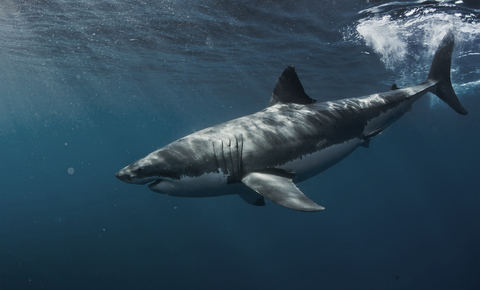
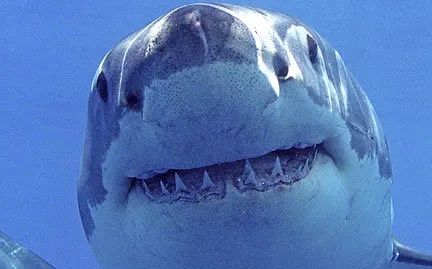
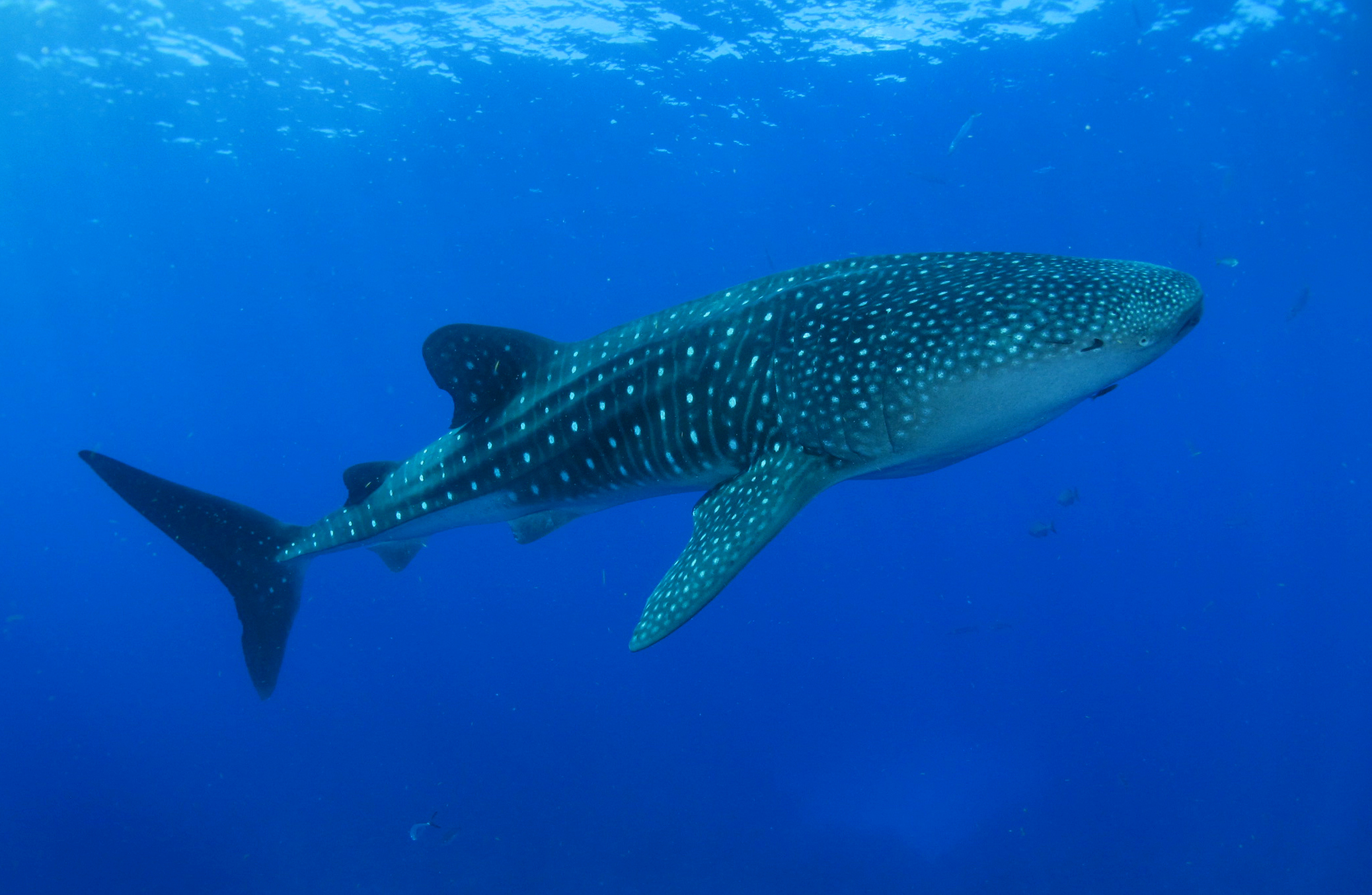
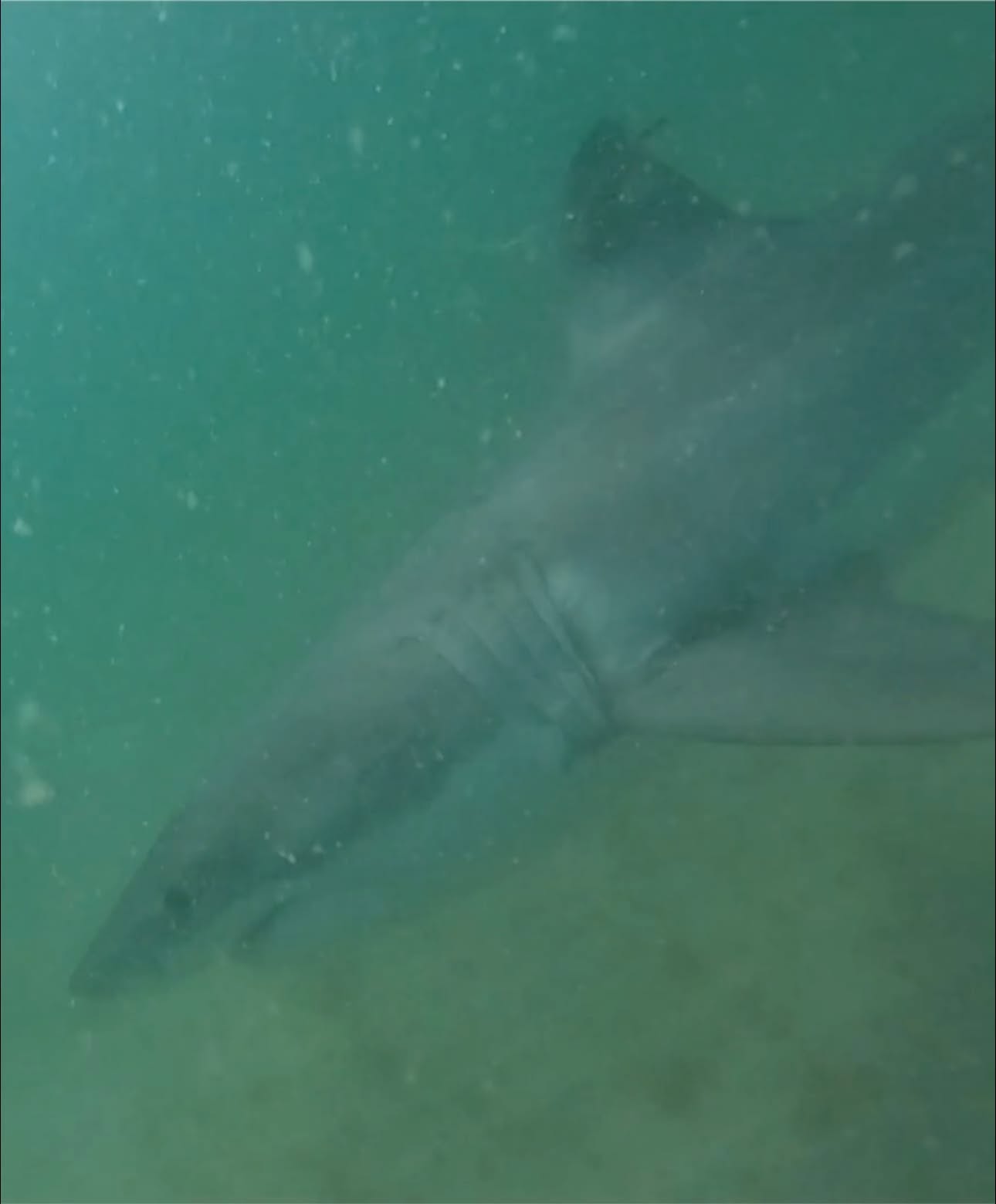
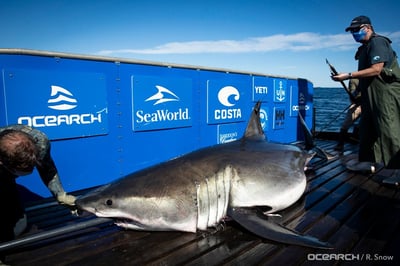
If you look at the bigger picture, the Gulf supports a wide range of shark species—from smaller coastal sharks to large predators like hammerheads, tiger sharks, and even great whites moving through offshore waters.
You can see a full breakdown of those species here:
👉 https://gulfgreatwhites.com/large-sharks-of-the-gulf-of-mexico-biggest-species-guide/
And for a deeper look at great white shark activity in the region:
👉 https://gulfgreatwhites.com/great-white-sharks-in-the-gulf-of-mexico-complete-guide/
If you want to track real-world encounters and verified reports:
👉 https://gulfgreatwhites.com/gulf-great-white-shark-sightings-database/
In this case, the focus now is on accountability.
A reward has been offered, and investigators are working to determine exactly what happened and who was involved.
Whether or not that leads to charges, the incident serves as a reminder of two things.
First, these animals are present in our waters, often closer than people realize.
Second, even with regulations in place, enforcement still plays a role in how those species are protected. This was not a case of someone harvesting a shark legally and taking all of the meat for consumption.
It was targeted finning and that’s an issue that hopefully this case brings to light on a broader scale.
Chester Moore
Subscribe to the Gulf Great White Shark Society blog for free!
Follow Chester Moore and Higher Calling Wildlife® on the following social media platforms
@gulfgreatwhitesharksociety on Instagram
@thechestermoore on Instagram
Higher Calling Wildlife on Facebook
Email Chester at chester@chestermoore.com.
Subscribe to the Dark Outdoors podcast on all major podcasting platforms.


Leave a Reply