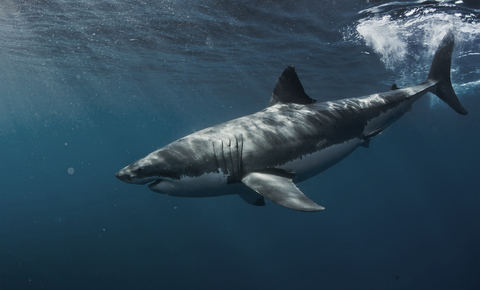

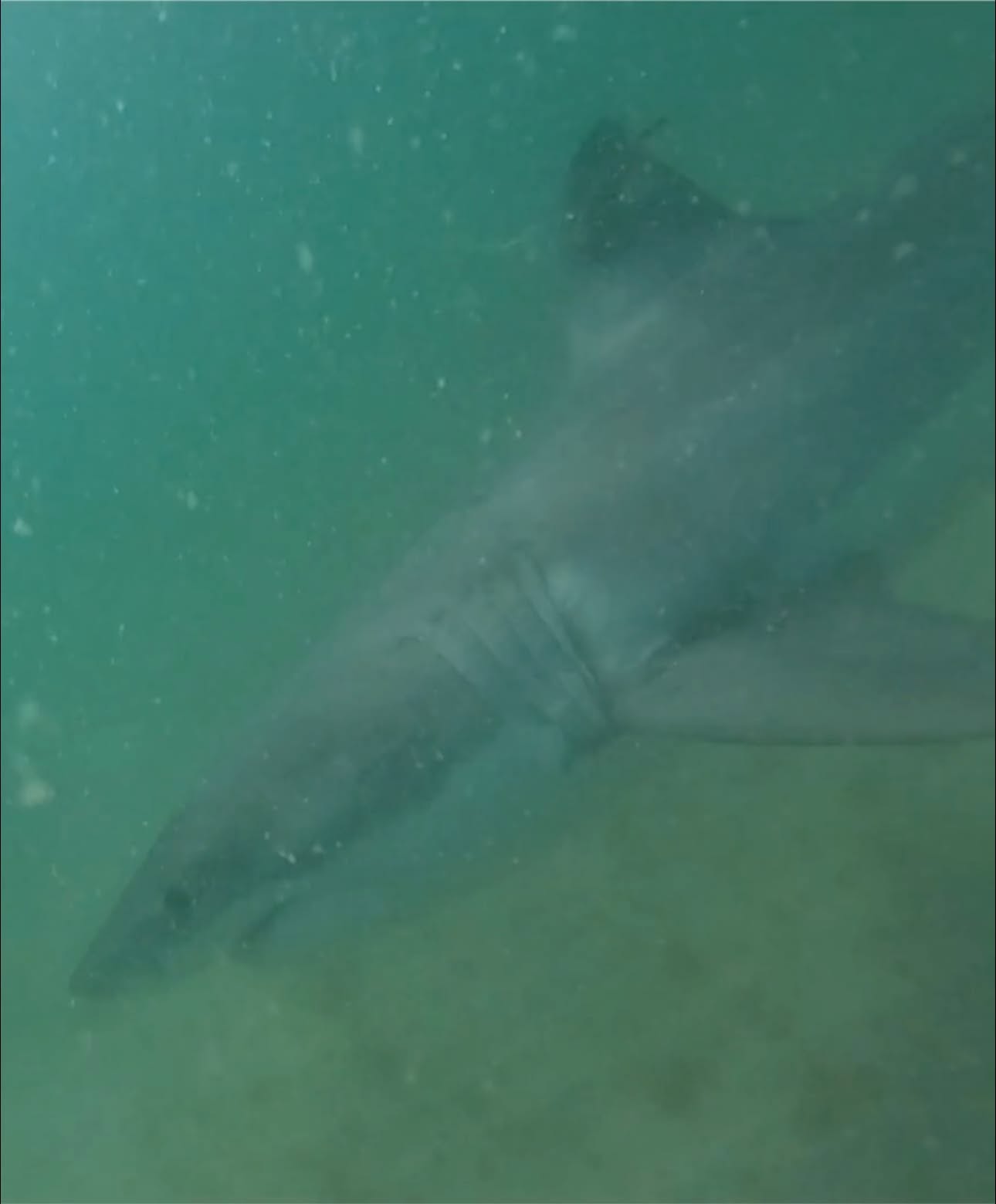
A CBS News Report reveals sharks in the waters off Brazil have tested positive for cocaine.
The story notes 13 Brazilian sharpnose sharks were taken from the coast off of Rio de Janeiro and tested for the cocaine and benzoylecgonine, the primary molecule in cocaine.
“Each shark’s liver and muscles tested positive for high levels of cocaine, the study found, and the female sharks tested had higher concentrations of cocaine in their muscles than male sharks. “
A 2023 movie called “Cocaine Shark” made fun of the idea but sadly they are real, just not ravaging the oceans eating people as the movie of course played up.

This is obviously tragic on several levels. First off that cocaine is so prevalent as it’s obviously fueling a gigantic human demand and also that it is impacting sharks and other ocean life.
This is the same basic issue I wrote about last year over at our other blog Higher Calling Wildlife® dealing with bonefish.
A study by Florida International University (FIU) and Bonefish & Tarpon Trust (BTT) has discovered pharmaceutical contaminants in the blood and other tissues of bonefish in Biscayne Bay and the Florida Keys.
“Coastal fisheries face increasing threats associated with human-based contaminants,” said Jim McDuffie, BTT President and CEO.
“Pharmaceuticals are an often overlooked dimension of water quality and their presence in South Florida bonefish is cause for concern. These contaminants pose a significant threat to the flats fishery, an important part of Florida’s recreational saltwater fishery, which has an annual economic impact of $9.2 billion and directly supports 88,500 jobs.”

Since the study began in 2018, FIU scientists and BTT research associates, in partnership with Sweden’s Umeå University and the University of Agricultural Sciences (SLU), have sampled 93 fish in South Florida, finding an average of seven pharmaceuticals per bonefish, and a whopping 17 pharmaceuticals in a single fish. The list includes blood pressure medications, antidepressants, prostate treatment medications, antibiotics, and pain relievers. Researchers also found pharmaceuticals in bonefish prey—crabs, shrimp and fish—suggesting that many of Florida’s valuable fisheries are exposed, and not only the bonefish fishery.
It will be interesting to see if further studies indicate how cocaine and other drugs impact fish behavior.
While tagging sharks early in my career our boat was hit with a big wave from a crew boat servicing the oil rigs.
All three of us onboard were thrown as the boat nearly capsized. So was the shark I was tagging.
It landed on my calf and bit me.
It was a three foot long Atlantic sharpnose shark, the close cousin to the Brazilian sharpnose found with cocaine in its system in this new study.
My leg ended up being fine but the little guy did bite down with power.
I’m just glad it wasn’t all coked up
That bite might’ve been worse.
Subscribe to this blog and email chester@chestermoore.com to get a FREE Gulf Great White Sharks decal!
Chester Moore
Follow Chester Moore and Higher Calling Wildlife® on the following social media platforms
@thechestermoore on Instagram
Higher Calling Wildlife on Facebook
Email Chester at chester@chestermoore.com.
Subscribe to the Dark Outdoors and Higher Calling Wildlife podcasts on all major podcasting platforms.



Leave a Reply