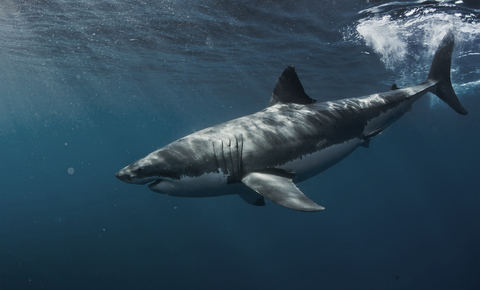
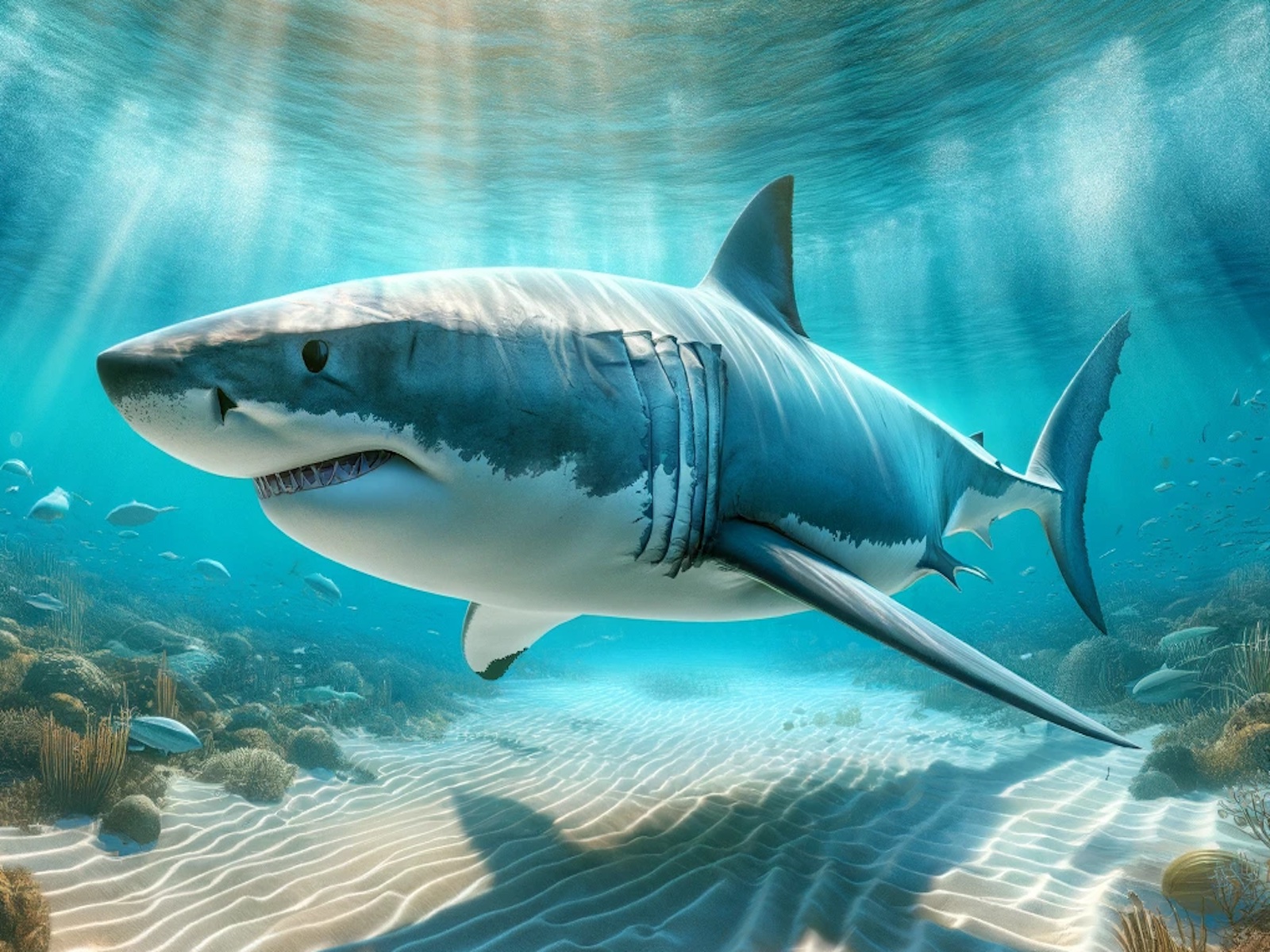
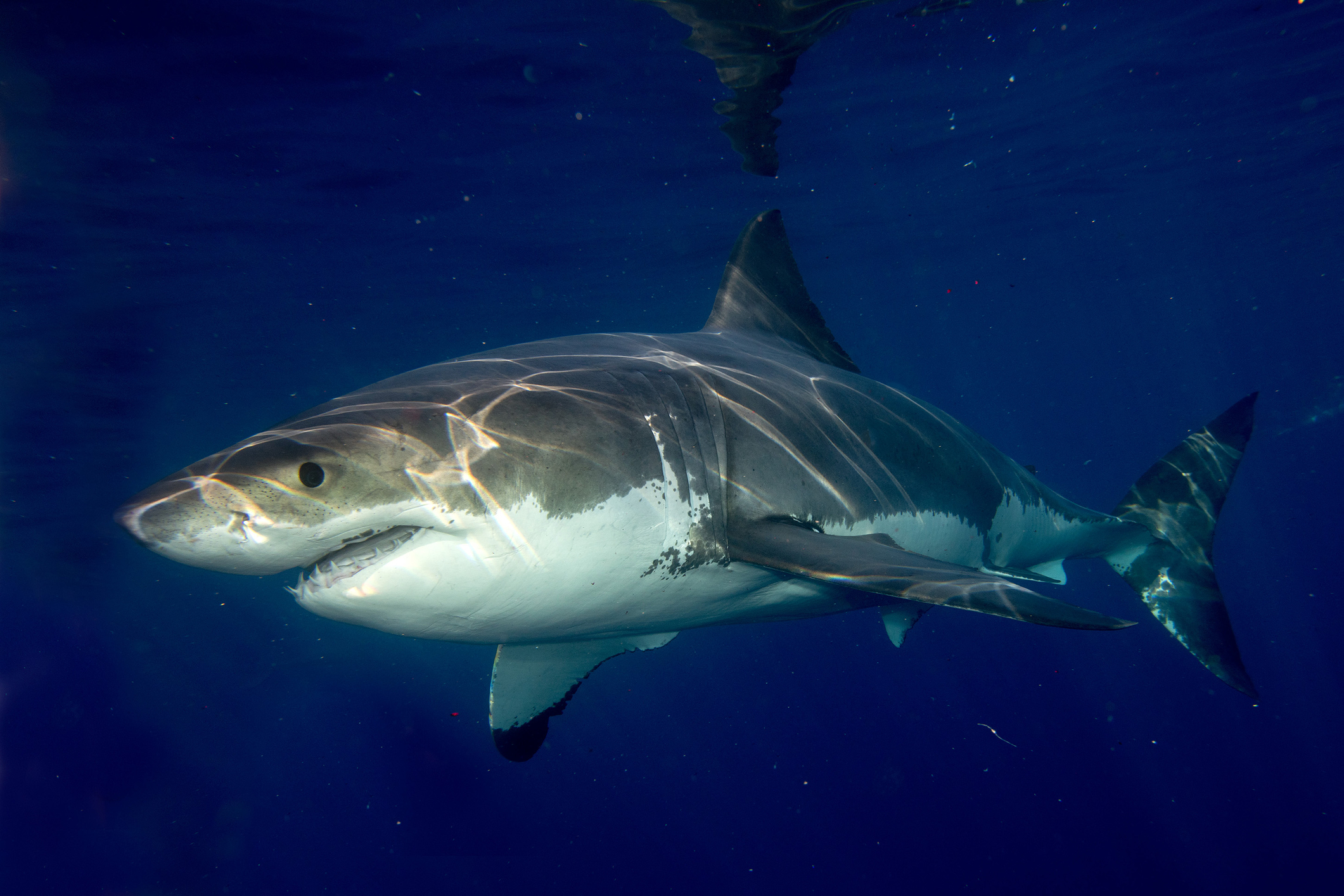
The great white shark (Carcharodon carcharias) is one of the most iconic predators in the ocean, inspiring awe and curiosity worldwide. Its universal reputation has led to many names across different cultures and languages. These names reflect the shark’s power, appearance, and its role in local folklore and marine ecosystems. Here’s a look at the diverse monikers for this majestic species:
1. The English Variants
- Great White Shark: The most common name in English, highlighting its size and pale underbelly.
- White Pointer: Used predominantly in Australia and New Zealand, this term emphasizes the shark’s pointed teeth and dorsal fin.
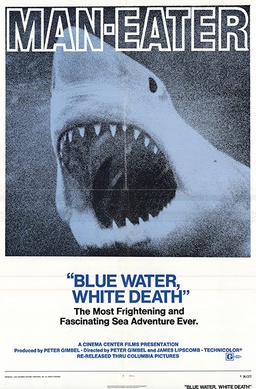
- White Death: A dramatic nickname often linked to its portrayal in media as a fearsome predator.
- Maneater: Not the classic “Hall and Oates’ song but you know…named because of their reputation back in the day.
2. Spanish Names
- Tiburón Blanco: Literally “white shark,” this is the standard term used across Spanish-speaking countries.
- El Gran Blanco: Translating to “The Great White,” it conveys the shark’s grandeur.
- El Tiburón Asesino: Meaning “killer shark,” it reflects fear-based narratives in some regions.
3. French Names
- Grand Requin Blanc: This translates directly to “great white shark.”
- Requin Mangeur d’Hommes: Meaning “man-eating shark,” this name captures its reputation in myths and media.
4. German Names
- Weißer Hai: “White shark” in German, a straightforward description.
- Großer Weißer Hai: Adding “great” to emphasize its formidable size.
- Menschenhai: Meaning “human shark,” often associated with tales of attacks.
5. South African Names
- Groot Wit Haai: Afrikaans for “great white shark,” used commonly in South Africa, a hotspot for great white sightings.
- Inkwazi: In Zulu, it sometimes symbolizes power, although specific shark names vary by region.
6. Asian Names
- Shirozame (白鮫): In Japanese, this name translates to “white shark,” emphasizing its pale color.
- Dà Bái Shā (大白鲨): The Mandarin Chinese name, meaning “big white shark.”
- Pa-alon: In the Philippines, this term references large predatory sharks in general, including the great white.
7. Indigenous and Cultural Names
- Ndlovu Yamanzi: In some African cultures, this translates to “elephant of the water,” metaphorically linking its power to a terrestrial giant.
- Makohara: In Māori, this name connects to stories of oceanic guardians, where great white sharks often play a protective role.
8. Pop Culture and Slang
- Jaws: A name synonymous with the shark due to the famous film franchise, often used colloquially.
- Toothy Terror: A playful nickname used in marine-themed tourism.
Conclusion
The great white shark’s many names across the globe showcase its impact on human culture, from fearsome predator to revered ocean dweller. Whether called the “White Pointer” in Australia or the “Tiburón Blanco” in Spanish-speaking countries, each name carries a story about humanity’s relationship with this extraordinary marine creature. These names remind us of the diverse ways people connect with the ocean and its inhabitants, uniting us in awe of the great white shark.
Chester Moore
Follow Chester Moore and Higher Calling Wildlife® on the following social media platforms
@thechestermoore on Instagram
Higher Calling Wildlife on Facebook
Email Chester at chester@chestermoore.com.
Subscribe to the Dark Outdoors and Higher Calling Wildlife podcasts on all major podcasting platforms.





Leave a Reply