This month horror films are at the forefront of enteratinment.
From new releases to streaming services playing classics for 31 days, its all horror all the time.
One can debate the ultimate horror icons. Is it Bela Lugosi as Dracula or Boris Karloff as Frankenstein?
Maybe it’s Robert Englund as Freddy Krueger.

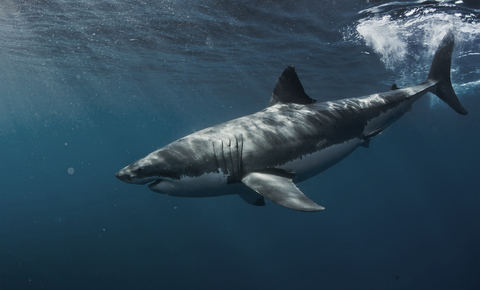
The truth is from a box office and societal impact it might be a mechanical great white shark.
When Steven Spielberg set out to bring Peter Benchley’s bestselling novel “Jaws” to life on the big screen in 1975, he faced a daunting challenge: how to convincingly portray the film’s titular antagonist, a massive great white shark.
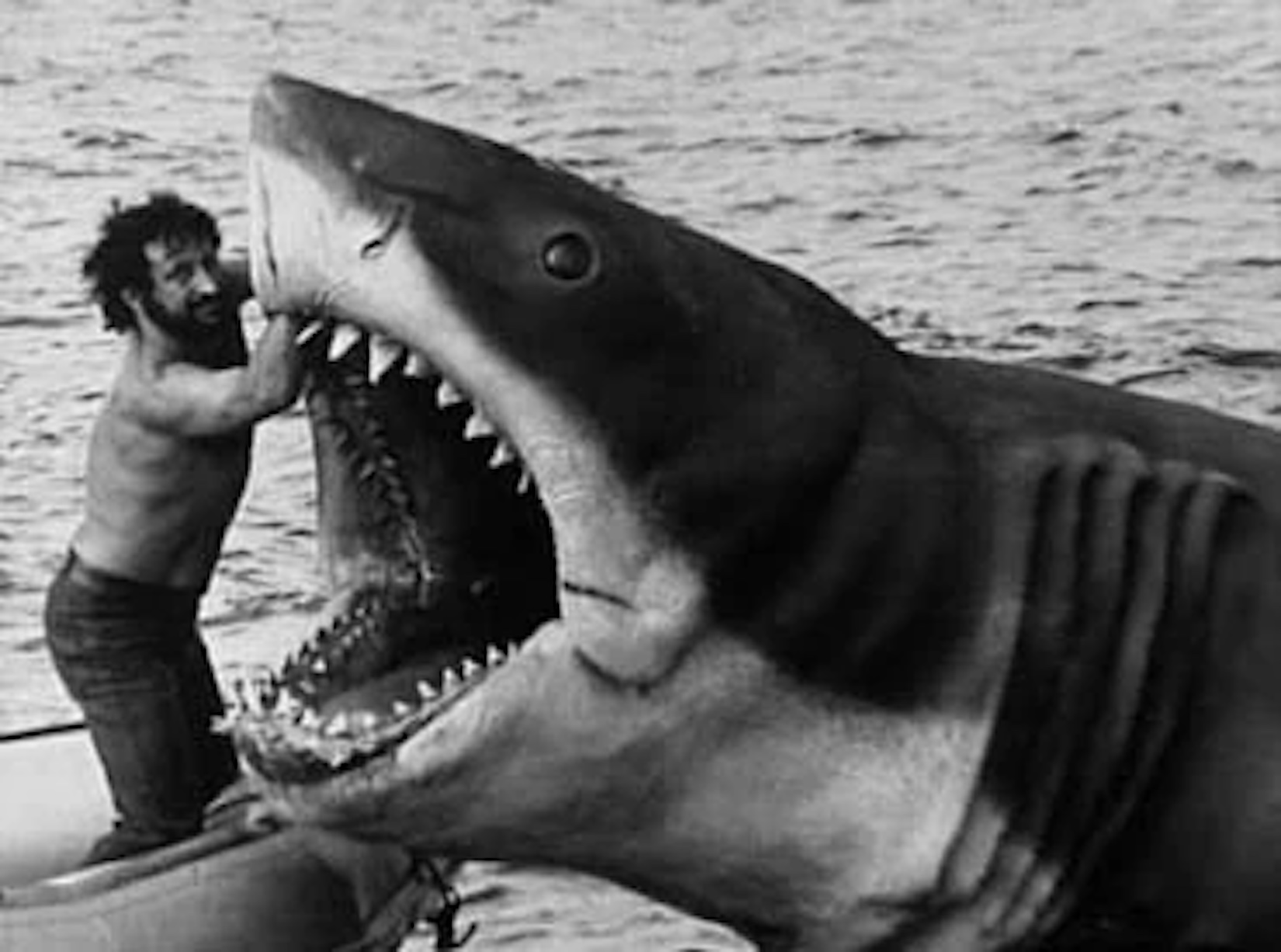
Enter Bruce the shark, the mechanical marvel that would go on to become one of the most iconic characters in cinema history.
Named after Spielberg’s lawyer, Bruce was no ordinary prop. Built by special effects wizard Bob Mattey and his team, the 25-foot-long mechanical shark was a feat of engineering, featuring a hydraulic system that allowed it to move its jaws, eyes, and tail with terrifying realism. But as filming began off the coast of Martha’s Vineyard, it quickly became apparent that Bruce had a few flaws of his own.

From the outset, Bruce proved to be a temperamental co-star. The saltwater environment wreaked havoc on his mechanical components, causing frequent malfunctions and delays on set. Scenes that were supposed to take days to film stretched into weeks as the crew struggled to get Bruce to cooperate. Spielberg famously quipped that the shark’s nickname should have been “the great white turd” due to its tendency to malfunction.
Despite these setbacks, Spielberg and his team persevered, finding creative ways to work around Bruce’s limitations. In many scenes, the shark’s presence was implied through clever editing and suspenseful music, heightening the tension without ever fully revealing the creature. This forced restraint only served to make Bruce’s eventual appearances all the more terrifying.
One of the most memorable scenes in “Jaws” is the moment when the shark finally emerges from the depths in all its terrifying glory, accompanied by John Williams’ iconic score. This scene, which took months of painstaking work to perfect, is a testament to the dedication and ingenuity of Spielberg and his team.
In the end, Bruce proved to be more than just a mechanical marvel; he became a symbol of the film’s perseverance in the face of adversity. Despite his flaws, he ultimately delivered the scares that audiences craved, cementing his place in cinematic history as one of the most iconic monsters of all time.
As Spielberg himself once said, “The shark was brilliant, and it worked, because it wasn’t there.”
And indeed, Bruce’s legacy lives on in the nightmares of moviegoers everywhere, a testament to the power of imagination and the magic of cinema.
Chester Moore
Follow Chester Moore and Higher Calling Wildlife® on the following social media platforms
@thechestermoore on Instagram
Higher Calling Wildlife on Facebook
Email Chester at chester@chestermoore.com.
Subscribe to the Dark Outdoors and Higher Calling Wildlife podcasts on all major podcasting platforms.




Leave a Reply