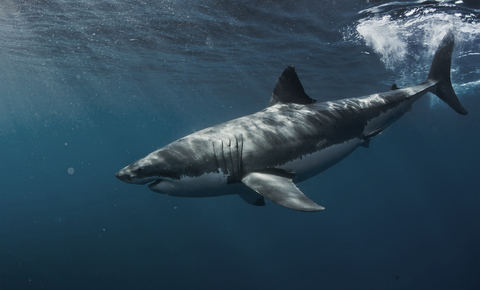

In part three of our interview series with Megan Winton of the Atlantic White Shark Conservancy, we discuss dietary requirements of great white sharks.
- Great White Shark (Carcharodon carcharias):
- Primary Diet: Great white sharks are apex predators, primarily feeding on marine mammals like seals and sea lions.
- Carnivorous Nature: Their diet also includes other fish species, smaller sharks, and occasionally seabirds.
- High Energy Needs: Due to their large size and high activity level, great whites require a diet rich in protein and fats to sustain their energy demands.
- Hammerhead Shark (Sphyrnidae family):
- Varied Diet: Hammerhead sharks have a more diverse diet compared to some other species, including fish, squid, octopus, and crustaceans.
- Specialized Feeding Behavior: Their unique hammer-shaped heads allow for increased maneuverability and better detection of prey, aiding in capturing fast-moving fish.
- Preference for Benthic Prey: Some species of hammerhead sharks also feed on benthic organisms found on the ocean floor, such as crabs and shrimp.
- Tiger Shark (Galeocerdo cuvier):
- Opportunistic Feeders: Tiger sharks are known for their scavenging behavior and will consume almost anything they come across, earning them the nickname “garbage cans of the sea.”
- Diverse Diet: Their diet includes fish, turtles, seabirds, marine mammals, and even garbage or man-made objects.
- Adaptability: Tiger sharks have powerful jaws and serrated teeth, allowing them to consume prey with tough shells or bones, such as sea turtles and crustaceans.
- Whale Shark (Rhincodon typus):
- Filter Feeding: Unlike many other shark species, whale sharks are filter feeders, primarily consuming planktonic organisms like krill, small fish, and fish eggs.
- Unique Feeding Mechanism: They use their large mouths to filter water while swimming, trapping plankton and other small organisms in their gill rakers.
- Seasonal Variations: Whale sharks may also feed on larger prey during certain times of the year when plankton concentrations are lower, such as small fish or squid.
- Mako Shark (Isurus oxyrinchus):
- Speedy Predators: Mako sharks are known for their incredible speed and agility, which they utilize to catch fast-swimming prey like mackerel, tuna, and swordfish.
- High Metabolic Rate: Their diet consists mainly of bony fish and cephalopods, requiring a high intake of protein to support their rapid growth and metabolism.
- Pelagic Lifestyle: Mako sharks are pelagic hunters, often found in open ocean habitats where they can pursue their fast-moving prey.
Follow Chester Moore and Higher Calling Wildlife® on the following social media platforms
@thechestermoore on Instagram
Higher Calling Wildlife on Facebook
Email Chester at chester@chestermoore.com.
Subscribe to the Dark Outdoors and Higher Calling Wildlife podcasts on all major podcasting platforms.





Leave a Reply