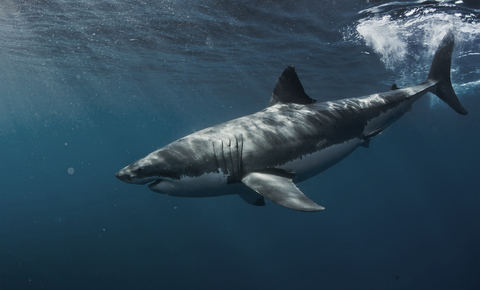

Every June 15, shark enthusiasts celebrate National Megalodon Day, honoring perhaps the most famous shark that ever lived.
Megalodon.
Just saying the name sparks the imagination.
I’ve been fascinated by Megalodon since I was a kid. Like many shark enthusiasts, I remember seeing illustrations of a giant shark dwarfing a great white and wondering what it must have been like when this incredible predator ruled the seas.
Even today, eons after its extinction, Megalodon continues to capture the imagination of people around the world. It inspires books, documentaries, movies, social media debates, and one question that never seems to go away:
Could Megalodon still be out there?
It’s a question I’ve been asked countless times over the years.
The idea isn’t hard to understand. The ocean remains one of the least explored places on Earth. New species are discovered regularly. Strange creatures emerge from the depths that look like they belong in science fiction films rather than the real world. Every time we think we’ve seen it all, the ocean surprises us.

Because of that, some people wonder if a giant shark could still be hiding somewhere in the deep.
From a scientific perspective, the evidence doesn’t look good.
Researchers believe Megalodon became extinct a long time ago. Changes in ocean temperatures, shifting ecosystems, and declines in prey species likely played a major role in its disappearance. A predator of that size would require an enormous food supply and would almost certainly leave behind evidence of its existence.
To date, no credible evidence has been found.
But here’s something important to remember.
Just because the answer is probably no doesn’t mean the question isn’t worth asking and let’s not forget the Coelacanth was thought extinct and they are still swimming our oceans.
Wonder and curiosity are powerful things. They’re often what inspire people to learn more about the natural world.
And that’s where Megalodon really shines.
For many people, Megalodon serves as a gateway into the fascinating world of sharks.
A perfect example is the popularity of The Meg movies.
Millions of people who may never have thought much about sharks suddenly became interested in a giant prehistoric predator supposedly surviving in the deepest parts of the ocean. The films are pure entertainment, but they introduced a whole new generation to the concept of Megalodon.

I’ve met kids who can tell you every detail about The Meg and Meg 2. What starts as excitement over a movie often turns into questions about real sharks. They begin looking up great whites, tiger sharks, makos, whale sharks, and eventually learn about conservation and marine ecosystems.
That’s a good thing.
Anything that gets young people interested in wildlife and the ocean deserves attention.
Long before Hollywood discovered Megalodon, fossil hunters were already obsessed with it.
One of the most impressive wildlife artifacts I’ve ever held is a Megalodon tooth.
When you place one in your hand, it changes your perspective immediately. You’re holding evidence that an absolutely massive predator once swam through ancient oceans. These giant teeth, some measuring more than six inches long, are tangible reminders that Earth was once home to a shark unlike anything alive today.
Imagine standing along the Gulf Coast millions of years ago.
Whales cruised through ancient waters. Marine ecosystems looked dramatically different than they do now. Somewhere beneath the waves, a shark the size of a bus could have been patrolling in search of prey.
That’s the kind of image that fuels the fascination.
But as remarkable as Megalodon was, it also reminds us of something equally important.
The oceans still contain incredible sharks.
One of them happens to be a species I’ve spent years helping people understand—the great white shark.
For a long time, many people assumed great whites were rare visitors to Gulf waters. Ongoing research has revealed a much more interesting story. Satellite tagging and other research efforts have shown that great whites utilize Gulf waters in ways scientists are still working to understand.
Every year we learn something new.
And that’s exciting.
In many ways, great white sharks represent the modern mystery of the sea. They are powerful, intelligent predators that continue to surprise researchers. While they don’t reach the massive size of Megalodon, they possess something perhaps even more fascinating.
They’re real.
They’re swimming in our oceans right now.
And there is still much we don’t know about them.
That’s one reason I’m so excited about our upcoming Gulf Great White Sharks event.
We’ll explore what science is revealing about great white sharks in Gulf waters, discuss common myths and misconceptions, and look at why these remarkable animals are so important to marine ecosystems. If you’ve ever been fascinated by Megalodon, you’ll likely be fascinated by the real story of great whites as well.
Because at the heart of both stories is wonder.
Wonder is what makes a child stare at a giant fossil tooth and imagine a prehistoric ocean. Wonder is what inspires someone to ask if Megalodon could still exist. Wonder is what drives scientists to tag sharks, explore the deep sea, and uncover new discoveries.
And wonder is what reminds us that the ocean still holds mysteries worth exploring.
Megalodon may be gone, but its legacy remains alive in the curiosity it inspires.
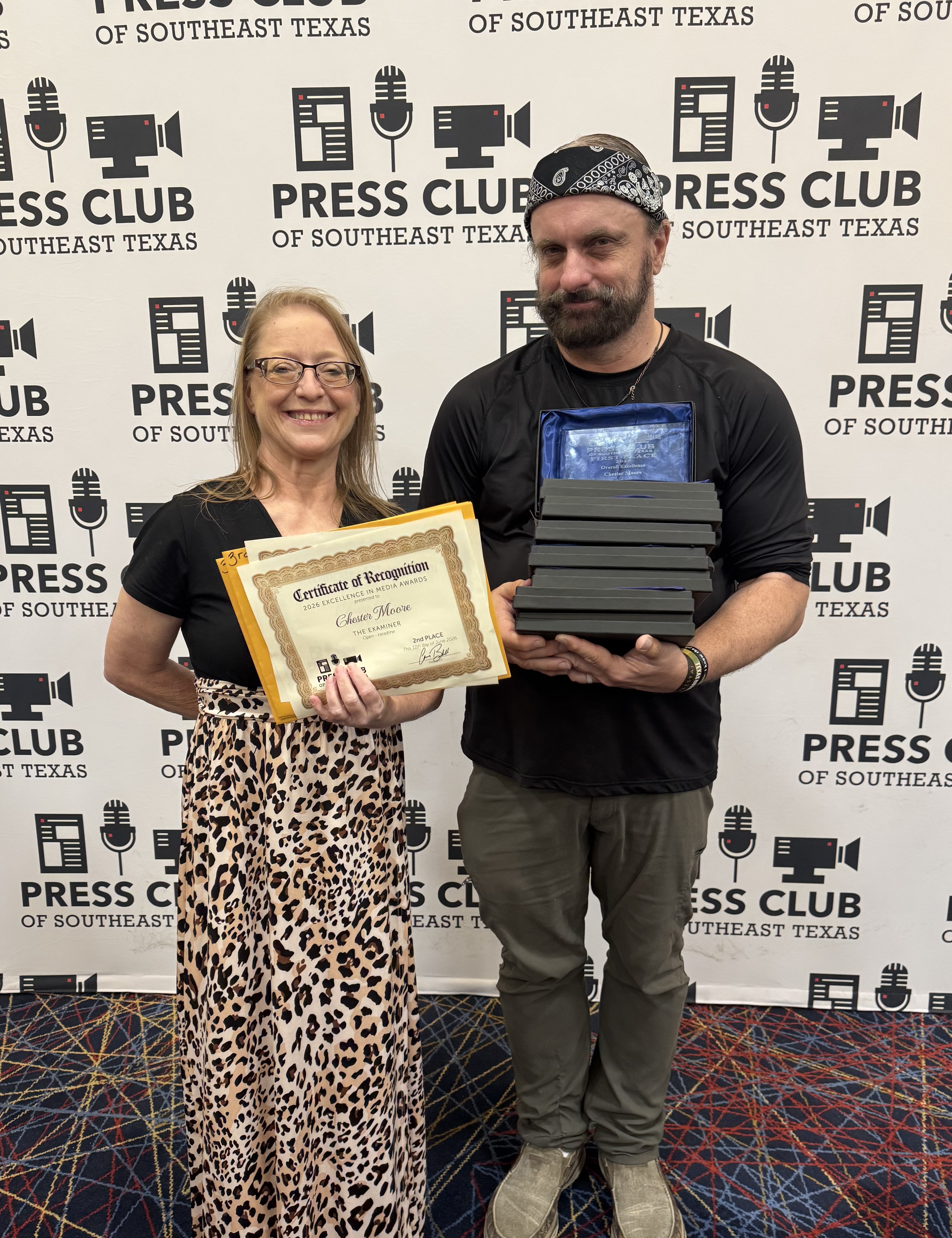
If the mystery of Megalodon fascinates you, I invite you to join us for our upcoming Gulf Great White Sharks event at the Museum of the Gulf Coast Saturday June 20 from 10-1. It’s free. I will give a Texas-Louisiana great white sharks seminar. We will play my award-winning documentary Gulf Great White Sharks: Return of An Icon with a Q&A and we will have numerous agencies and groups centered on conservation on hand.
Plus, the first 50 kids get a free shark conservation gift package.
While Megalodon belongs to the distant past, great white sharks are part of a story still being written today. New discoveries are revealing more about their movements, behavior, and surprising connections to Gulf waters. We’ll explore what researchers are learning, separate fact from fiction, and discuss why these incredible predators matter.
Who knows? The same sense of wonder that makes us ask whether Megalodon could still exist might inspire us to learn more about the remarkable sharks that are swimming our oceans right now.
Click here for event details and on the Facebook event page: https://www.facebook.com/share/1EPBNjcnSc/
And before you go, answer this question in the comments:
If you could spend one day observing a living Megalodon or one day tracking a great white shark in the Gulf, which would you choose and why?
Chester Moore
Founder, Gulf Great White Shark Society
chester@chestermoore.com
Follow Chester Moore and Higher Calling Wildlife® on the following social media platforms
@gulfgreatwhitesharksociety on Instagram
@thechestermoore on Instagram
Higher Calling Wildlife on Facebook
Email Chester at chester@chestermoore.com.
Subscribe to the Dark Outdoors podcast on all major podcasting platforms.




Leave a Reply