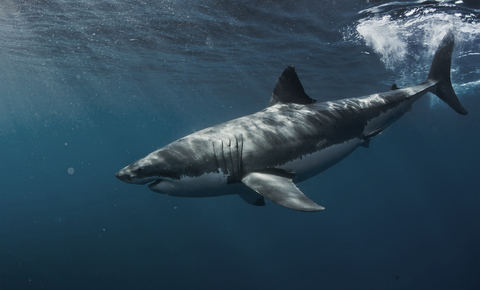
As we approach the 51st anniversary of Jaws, the film’s legacy remains as powerful as ever.
Few movies have had a greater impact on how people view a wild animal. Released in 1975, Jaws became a cultural phenomenon that forever changed the public perception of sharks and introduced generations of people to the fear of what might be lurking beneath the surface.
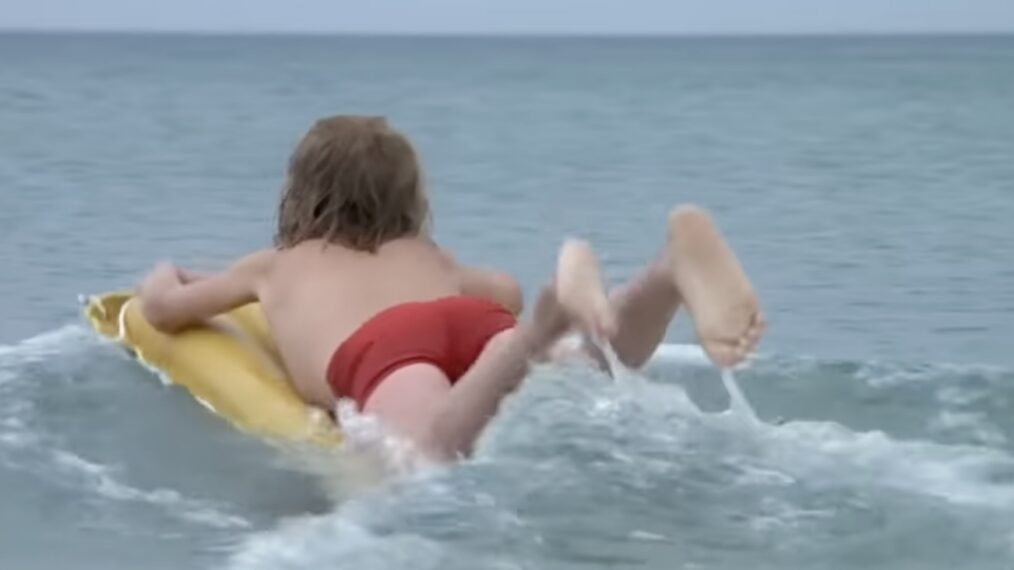
At the center of one of the film’s most unforgettable moments was a young boy named Alex Kintner.

His shocking death aboard a yellow raft remains one of the most iconic scenes in movie history and helped establish Jaws as one of the most influential films ever made.
But what many fans don’t know is the story behind the actor who portrayed Alex Kintner.
Click aboe to access on your favorite plaform or here to listen on Podbean.
The Scene Everyone Remembers
Nearly everyone who has seen Jaws remembers Alex Kintner.
The scene is brief, but its impact is enormous.
It transformed the fictional waters of Amity Island into a place of terror and helped cement the great white shark as one of the most feared animals on Earth.
For many viewers, it was their first exposure to sharks.
And for years afterward, countless people looked at the ocean differently.
The Unexpected Legacy of Jaws
While Jaws unquestionably fueled fear of sharks, its long-term impact is more complicated than many people realize.
The film inspired some people to fear sharks.
It inspired others to study them.

In fact, many of today’s shark researchers, conservationists, educators, and advocates first became fascinated with sharks because of Jaws. Much of that was because of the character Matt Hooper played by Richard Dreyfuss.
I count myself among them.
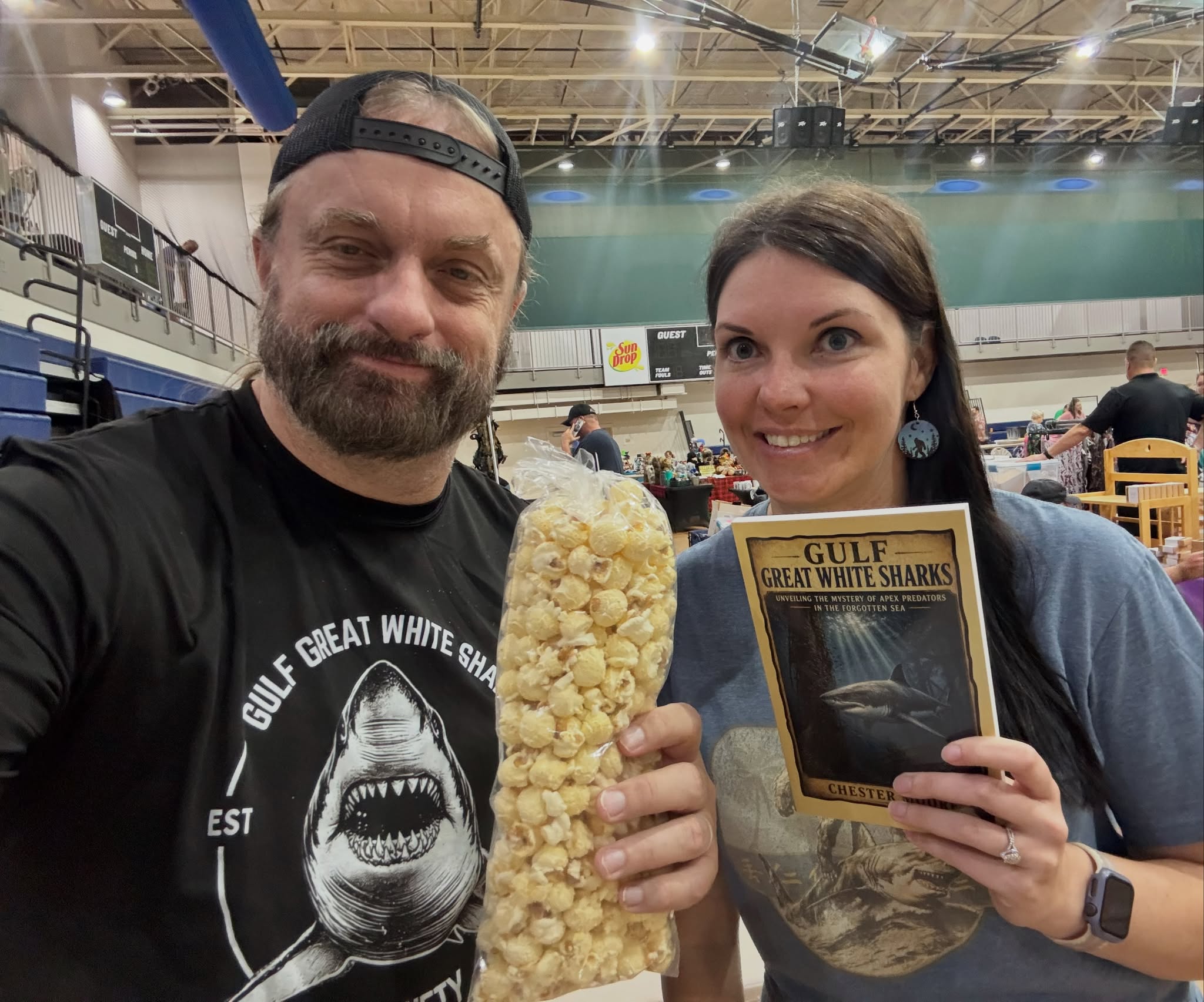
Like many people of my generation, I was captivated by the film. The fear and mystery surrounding sharks sparked a lifelong interest that eventually led me into shark research, education, conservation, and the founding of the Gulf Great White Shark Society.
I’ve met countless people in the shark conservation world who tell similar stories.
What began as fear eventually became fascination.
And fascination often became respect.
Why This Interview Matters
As we approach the film’s 51st anniversary, Jaws remains one of the most discussed wildlife-related movies ever created.
Its influence on public attitudes toward sharks is undeniable.
So is its influence on the people who ultimately dedicated their lives to understanding and protecting these remarkable animals. And it means something to people. When you hear the interview you will learn how touched many people were to meet Mr. Voorhees because of his connection to the film.
That’s one reason I was excited to speak with Jeffrey Voorhees.
His perspective offers a unique glimpse into a film that not only changed Hollywood but also helped shape public conversations about sharks for more than five decades.
Listen to the Interview
In this special episode of Dark Outdoors®, Jeffrey Voorhees shares stories from the making of Jaws, reflects on the legacy of Alex Kintner, and discusses his connection to one of the most memorable moments in cinematic history.
Whether you’re a lifelong Jaws fan, a shark enthusiast, or simply interested in the intersection of wildlife and popular culture, this is a conversation you won’t want to miss.
Attacked by Jaws: The Real Story of Alex Kintner
Listen now on Dark Outdoors® and join us as we revisit one of the most iconic shark stories ever told—and explore the surprising ways it helped inspire a generation of shark advocates and conservationists.
Click here to access the program’s Linktree to find on our favorite podcast platform.
Click here to access via Podbean.
Check out the official Jeffrey Voorhees website where you can get autographed merchandise.
Chester Moore
Follow Chester Moore and Higher Calling Wildlife® on the following social media platforms
@gulfgreatwhitesharksociety on Instagram
@thechestermoore on Instagram
Higher Calling Wildlife on Facebook
Email Chester at chester@chestermoore.com.
Subscribe to the Dark Outdoors podcast on all major podcasting platforms.



Leave a Reply