The Chester Moore Files
File No. 001
By Chester Moore
Long before satellite tags revealed the movements of whale sharks across the Gulf of Mexico, an enormous visitor nicknamed “Gums” surprised Southeast Texas.
The massive, 26-foot whale shark somehow found its way into Sabine Lake, the sprawling estuary that straddles the Texas-Louisiana border. For many local residents, it was a shocking sight. Stories spread quickly. Some feared the giant fish posed a danger to people, while others simply couldn’t believe an animal associated with offshore Gulf waters had appeared in a shallow estuary.
Sadly, the story ended when the shark died after becoming stranded in an oyster reef. As a kid I was told about this story and eventually saw a newspaper clipping and it was one of those moments that made me very curious about the Gulf.
This didn’t happen in the Carribbean or even off the coast of Florida but in Sabine Lake-15 minutes from where I lived.

For Gulf Great White Shark Society, the story of Gums is much more than an unusual historical footnote. It reminds us how dramatically our understanding of sharks has evolved and why preserving historical wildlife records remains important to modern conservation.
A Gentle Giant Misunderstood
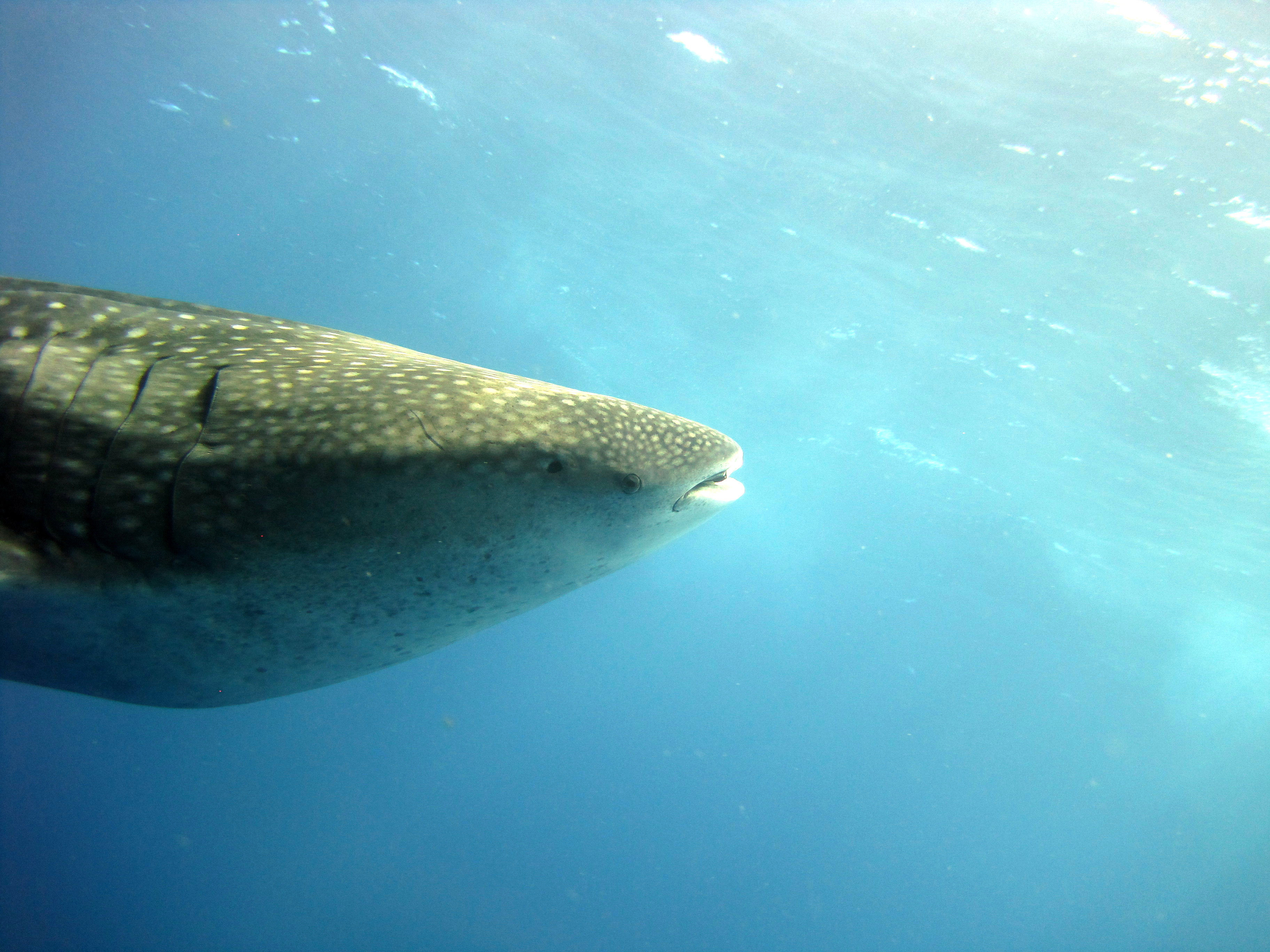
Despite reaching lengths of more than 40 feet and weighing upward of 20 tons, whale sharks (Rhincodon typus) are gentle filter feeders. Instead of hunting seals or large fish, they slowly cruise through the water with their mouths open, filtering plankton, tiny fish, fish eggs and other microscopic organisms.
Although whale sharks possess thousands of tiny teeth, they do not use them for feeding. That unusual characteristic earned this individual the nickname “Gums” from fishermen who encountered the giant in Sabine Lake.

Many people at the time simply saw a massive shark and assumed it was dangerous. Today we know whale sharks are among the ocean’s most peaceful inhabitants and have become one of the world’s premier marine wildlife attractions.
Why Was a Whale Shark in Sabine Lake?
That question fascinated biologists then and continues to generate discussion today.
Sabine Lake is not a freshwater lake but a large estuary where freshwater from the Sabine and Neches rivers mixes with Gulf saltwater. Although whale sharks typically inhabit offshore tropical and subtropical waters, they occasionally move into coastal environments while following concentrations of plankton or baitfish.
Marine biologists have long believed another factor may have been involved.
Contemporary reports quoted Lamar University biology professor Dave Bechler as suggesting the shark may already have been in poor condition before entering the estuary. The fact that it eventually died after becoming stranded in an oyster bed supports the possibility that the animal was weakened, disoriented or suffering from an unknown illness.
Unfortunately, this occurred decades before researchers had access to satellite telemetry, genetic sampling or the diagnostic tools that might have helped explain its unusual movements.
What We’ve Learned Since
When Gums entered Sabine Lake, scientists knew relatively little about whale shark movements in the Gulf of Mexico.
Today, that picture has changed dramatically.
Satellite tracking, photo-identification databases and citizen science programs have revealed that whale sharks regularly utilize Gulf waters. Large seasonal feeding aggregations have been documented in Mexican waters, while individual animals are reported offshore from Texas, Louisiana, Alabama and Florida.
Researchers now recognize the Gulf as an important habitat for the species, making every historical record—including unusual events like Gums—valuable pieces of a much larger puzzle.
From Fear to Understanding
Perhaps the most interesting part of the Gums story isn’t where the shark appeared.
It’s how people reacted.
Many residents reportedly feared the enormous visitor simply because it was unfamiliar. That response reflected a broader misunderstanding of sharks that persisted for generations.
Education has changed much of that perception. Today, responsible ecotourism centered on whale sharks supports conservation efforts around the world while allowing thousands of people each year to safely experience these gentle giants in their natural environment.
Knowledge has transformed fear into appreciation.
Why This Story Still Matters
Today, whale sharks (Rhincodon typus) are officially listed as Endangered on the International Union for Conservation of Nature (IUCN) Red List. The species was reclassified from Vulnerable to Endangered in 2016 after scientists documented significant global population declines.
Researchers attribute those declines to a combination of threats, including vessel strikes, entanglement in fishing gear, plastic pollution, habitat degradation and, in some parts of the world, targeted fishing. Because whale sharks mature slowly and reproduce slowly, recovering from population losses can take decades.
Looking back, the story of Gums reminds us how much has changed—not only in marine science but also in public understanding of sharks.
What was once viewed as a frightening curiosity is now recognized as one of the ocean’s greatest ambassadors for conservation.
Historical accounts like this also demonstrate the importance of preserving local wildlife stories. Every unusual encounter contributes another piece to our understanding of these remarkable animals and helps establish a longer historical record for researchers studying the Gulf of Mexico.
The story of Gums may never be fully explained. But decades later, that gentle giant continues to teach us that every shark has a story—and every story can help shape the future of conservation.
About The Chester Moore Files
The Chester Moore Files is an ongoing investigative series by Chester Moore documenting remarkable stories at the intersection of wildlife, conservation, science and history. Each File may be explored through multiple perspectives across Chester Moore’s media platforms, connecting investigative journalism, conservation education and specialized wildlife research.
Follow Chester Moore and Higher Calling Wildlife® on the following social media platforms
@gulfgreatwhitesharksociety on Instagram
@thechestermoore on Instagram
Higher Calling Wildlife on Facebook
Email Chester at chester@chestermoore.com.
Subscribe to the Dark Outdoors podcast on all major podcasting platforms.


Leave a Reply